Loneliness is a significant and often-overlooked risk factor for suicide, prompting a growing movement to address social isolation through both personal choices and public policy. Research shows that social disconnection is as harmful to health as smoking up to 15 cigarettes a day, with isolation particularly threatening for older adults—who have the highest suicide rates—and youth, for whom suicide is the second-leading cause of death.
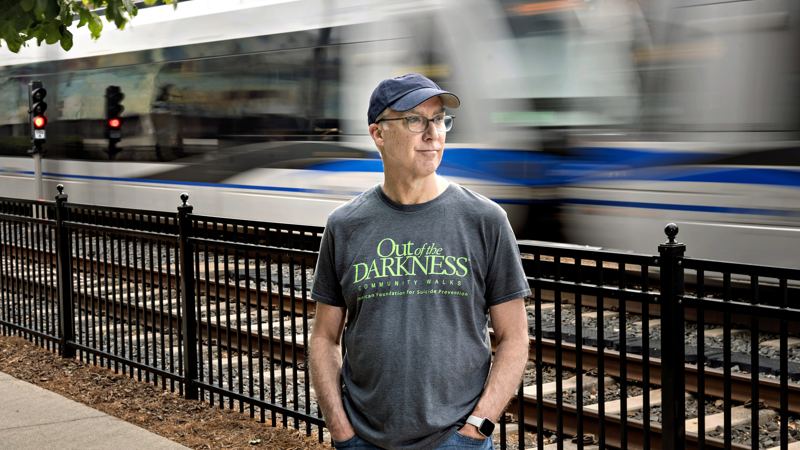
Steve Siple, a former board chair for the American Foundation for Suicide Prevention, credits regular social rituals with keeping him alive. For a decade, he attended trivia nights in Birmingham, Alabama; after moving to North Carolina, he joined community trash pickup along the light rail. Having battled suicidal thoughts and lost his father to suicide, Siple prioritizes social connection alongside counseling and open conversation about mental health.
Public Policy and Infrastructure
Surgeon General Vivek Murthy released the first U.S. Surgeon General’s Advisory on loneliness as a public health issue in 2023, with more than 300 supporting citations. He emphasized that elected officials have a role in creating what he calls “social infrastructure”—physical spaces like libraries and parks, and policies supporting public transportation and volunteer groups—to encourage people to gather.
Communities are finding creative, low-cost solutions. A health system and museum in Charlotte now offer “prescriptions” for art classes and live performances. Chattanooga is funding community ideas including benches with volunteer listeners. Men’s sheds have emerged across the country as spaces where men work on projects together and discuss mental health.
Small Gestures, Big Impact
Marcie O’Neal, hired in 2024 to lead suicide prevention in Kentucky’s rural Pennyrile region after a rise in elderly suicides, worked with existing community strengths: meal delivery programs and high school clubs. She asked high school Beta clubs to write cards for older residents receiving meal deliveries. About 1,200 cards were delivered in May, and the gesture repeated in February for Valentine’s Day and again the following May. According to O’Neal, “Suicide prevention doesn’t have to be sweeping huge things. It’s a little thing you can do that can kind of snowball into more things.”
Research suggests that belonging—the sense of connection and community—is what enables people to navigate difficult times. Sarah Brummett, who has worked on suicide prevention and lost five friends to suicide, calls it “the secret sauce for how we, as humans, can navigate really hard things.”
This article is an AI-assisted summary. All facts and figures are drawn from the original report: https://kffhealthnews.org/mental-health/suicide-prevention-loneliness-social-connection-mental-health-eleven-minutes/