An increasing number of Americans are getting and surviving cancer, with more than 18 million cancer survivors in 2025, projected to grow to 22 million by 2035, according to the National Cancer Institute. Yet long after completing treatment, many survivors face lingering mental health challenges that go unaddressed, from anxiety about recurrence to grief over lasting physical and emotional changes.
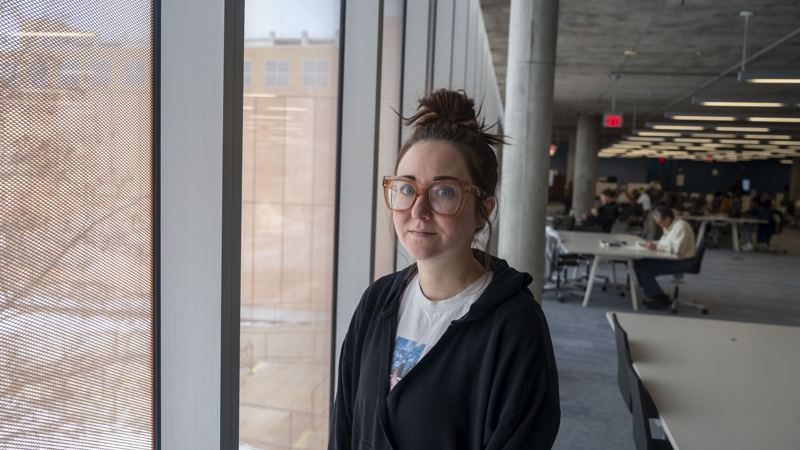
Morgan Newman was 24 when an abnormal Pap smear result led to a cervical cancer diagnosis in 2015. She underwent six weeks of radiation and chemotherapy, and when suspicious nodules appeared in her lungs three months into remission, she endured additional chemotherapy with more side effects. While physically exhausted, she struggled psychologically as she watched friends get married, have children, and progress in their careers. “My friends were getting married, they were having children, you know, progressing in their lives and their careers, and I just felt stuck,” she said. The radiation treatment damaged her reproductive system, leaving her unable to have her own children, a loss that made spending time with friends’ children emotionally difficult. Nearly 10 years later, Newman remains cancer free but continues therapy to deal with lingering anxiety about the cancer reoccurring.
Studies show cancer survivors are more likely to experience anxiety and depression that can last years after they finish treatment. A Cancer Nation survey of patients who had finished treatment found that about a third reported anxiety about their cancer coming back and problems with “not feeling like their old self.” Only 1 in 5 survivors surveyed had seen a mental health professional. Julie Larson, a Des Moines-based therapist who works with cancer survivors, notes that clients often start therapy months or even a year after finishing treatment, when they realize they aren’t feeling how they expected to feel. “Physically, people’s bodies have changed, and they are reconciling loss and grief, and those experiences are a little bit more silent, a little more invisible, and friends and family don’t often fully understand or grasp that,” Larson said.
Patricia Ganz, an oncologist and professor at the UCLA School of Public Health, noted that the field of oncology often neglects mental health. While expert-recommended screenings and referrals for psychological distress should occur, they don’t always happen as rigorously as they should in general practice. Dr. Richard Deming, medical director of the Richard Deming Cancer Center at MercyOne hospital in Des Moines, emphasizes that comprehensive cancer care requires asking patients about their experiences at every step—not just whether the cancer has been removed. The center is addressing this gap by offering services like counseling, music therapy, and mindfulness to reduce stress for those in and out of treatment.
This article is an AI-assisted summary. All facts and figures are drawn from the original report: https://www.wuga.org/2026-06-09/more-americans-survive-cancer-but-the-psychological-impacts-can-persist-for-years