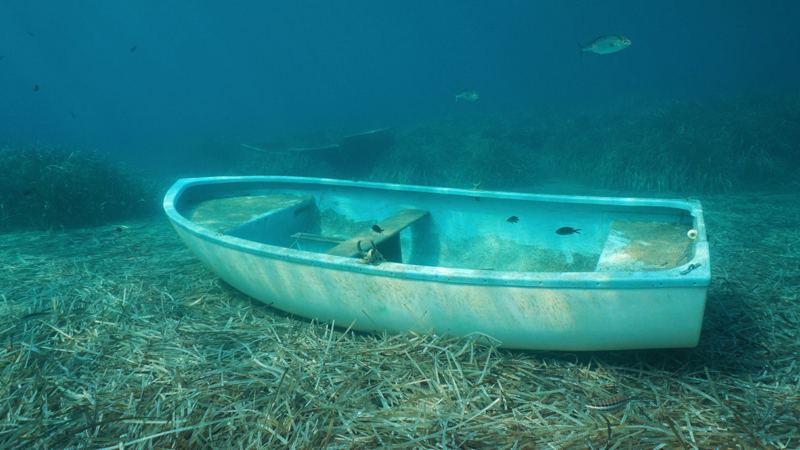
Submechanophobia is an intense, irrational fear of submerged human-made objects. The condition differs from thalassophobia, which is fear of deep water; a person with submechanophobia might be comfortable in the deep ocean but panic at the sight of a sunken ship or underwater structure. Online communities like the submechanophobia forum on Reddit have hundreds of thousands of members who share eerie photos of sunken ships, flooded towns, and underwater artifacts.
Psychologists identify several mechanisms underlying this fear. Water limits visibility and refracts light, making submerged structures appear roughly 25 percent larger and closer than they actually are. The human brain fills in missing visual information with worst-case scenarios. Humans are terrestrial creatures poorly equipped to assess underwater threats—we cannot see far, determine sound direction, or move freely. Seeing a large, unidentifiable shape in such a vulnerable environment triggers ancient predator-detection circuits. The uncanny decay of human-made objects on the ocean floor violates basic understanding of where these structures belong. Many shipwrecks are literal grave sites, creating heavy associations with tragedy and death. Learned associations also matter; childhood exposure to disaster imagery like the Titanic or frightening pool-drain incidents can condition lasting fear.
Specific phobias—submechanophobia’s clinical category—are among the most common mental health disorders, affecting an estimated nine percent of adults annually in the United States and over 19 percent of teenagers. Women experience these fears at more than double the rate of men. Effective treatments include cognitive behavioral therapy, exposure therapy, virtual reality exposure therapy, and systematic desensitization. Research shows exposure therapy achieves highly successful outcomes, though patients often report high dropout rates due to the intense anxiety of facing fears in real life. Recent innovations like custom-built virtual reality environments allow therapists to simulate triggering scenarios safely, with encouraging results for rare phobias including submechanophobia.
This article is an AI-assisted summary. All facts and figures are drawn from the original report: https://www.psypost.org/submechanophobia-the-psychology-behind-the-fear-of-sunken-objects/