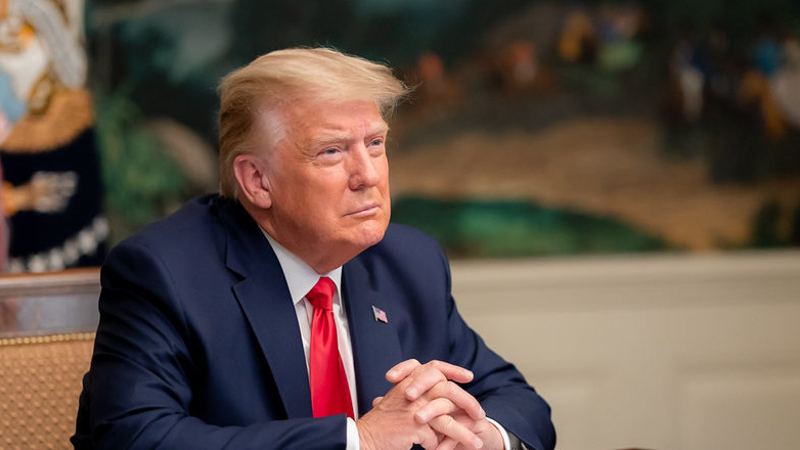
The Trump administration issued an executive order in April aimed at accelerating research and drug approvals for psychedelic-assisted mental health treatments, citing their potential to help patients with serious mental illness who haven’t responded to existing therapies. The administration framed the push as a way to “increase access to psychedelic drugs that could save lives and reverse the crisis of serious mental illness in America.”
The push faces important questions about implementation and safety. According to the CATO Institute, while accelerating access is welcome, psychedelic-assisted treatment differs fundamentally from conventional drug therapy and conventional psychotherapy. Decades of Schedule I restrictions have left most clinicians with little training in these approaches. Regulators must develop a framework that recognizes this reality and ensures treatments aren’t made unnecessarily expensive or difficult to obtain. A key challenge is establishing appropriate approval pathways—therapies that depend so heavily on setting, guided support, and controlled clinical environments may require different standards than conventional drugs.
Scientific Promise and Risks
Research suggests therapeutic potential. A 2013 University of South Florida study found that psilocybin may promote growth and repair of brain cells in the hippocampus, the brain’s center of emotion and memory. The same study showed mice treated with psilocybin demonstrated greater ability to overcome fear conditioning than those given placebo, supporting the hypothesis that psilocybin could help patients with PTSD break trauma cycles. Psychedelic therapy uses substances such as MDMA, LSD, and psilocybin in carefully controlled clinical settings that differ markedly from recreational use.
Compass Pathways, a company in the field, welcomed the executive order, noting millions of Americans are suffering without adequate treatment options. However, advocates acknowledge evidence gaps remain—a lack of data showing concrete benefits from psychedelics for mental health treatment. Some risks also require attention: psychedelics can heighten risk of exacerbating psychotic disorders in certain individuals, and patients may face difficult after-effects like existential distress. Three U.S. states have legalized some form of psychedelic medicine, with 19 others currently considering legislation. As of September 2025, informed consent remains highly challenging in psychedelic-assisted psychotherapy scenarios.
This article is an AI-assisted summary. All facts and figures are drawn from the original report: https://ijr.com/how-trump-admins-psychedelic-drug-research-push-could-shake-up-us-mental-healthcare-system/