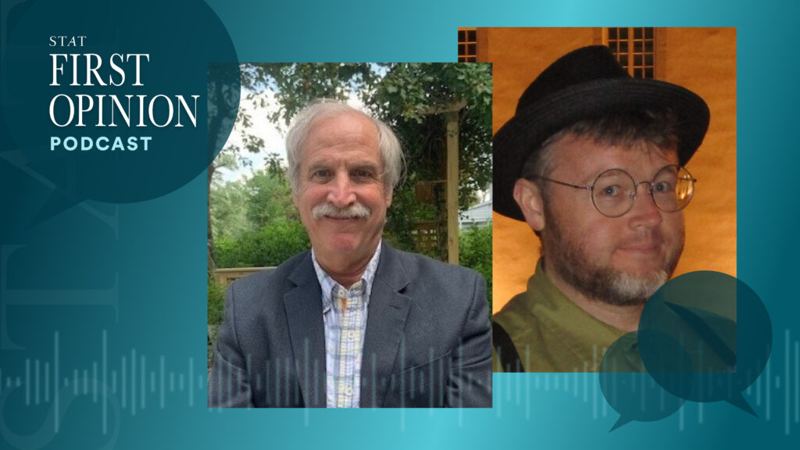
In a wide-ranging conversation about Amish health and culture, researchers Braxton Mitchell and Cory Anderson challenge misconceptions about vaccination, autism, and the surprisingly robust growth of Amish communities in the United States.
Vaccination and Autism
When President Trump claimed that the Amish don’t vaccinate and don’t get autism, he was oversimplifying a far more complex reality. Mitchell and Anderson confirm that some Amish do get autism and vaccination practices vary widely by community. In Lancaster, Pennsylvania—where Mitchell conducts research—“many do, many don’t,” with no directive from church bishops. Anderson reported that the New Leaf Center’s surveys found Amish approaches to vaccination are “somewhat a la carte.” Some Amish groups vaccinate their children; others do not. The researchers note that COVID vaccination skepticism among some Amish stemmed less from religious conviction than from distrust of government overreach—a view many Amish are sympathetic to.
Diagnosing autism in Amish communities is complicated by cultural factors. Mitchell explains that diagnostic criteria have broadened, and many rely on observations in school systems where Amish children are rarely evaluated by health experts. Autism could be underreported simply because “there aren’t health experts in the school systems” to identify it.
Rapid Population Growth
The Amish population is thriving. Using Amish Population Registries, Anderson calculated a total fertility rate of 6.1 children per woman and a life expectancy of 81 years. Projections suggest that if current growth rates continue, the Amish population could reach close to 2 million by 2075, compared to about 400,000 today. The Lancaster Amish alone number 43,000, nearly all descended from the 500 or 600 people who settled there in the early 1700s.
Health Care Financing
The Amish in Lancaster pay for health care out of pocket and deliberately avoid government benefits. They have established their own aid programs and negotiated Amish-friendly rates with local providers—a system that works within their community values but complicates research access. antml:parameter>
This article is an AI-assisted summary. All facts and figures are drawn from the original report: https://www.statnews.com/2026/06/06/amish-public-health-vaccines-autism-interview-transcript/