The nervous system controls movement, memory, speech, balance and countless reflexes, yet when problems arise in the brain or nerves, early signs can be easy to miss. Paying attention early with expert support often prevents far more damage than waiting, since neurological problems rarely improve on their own.
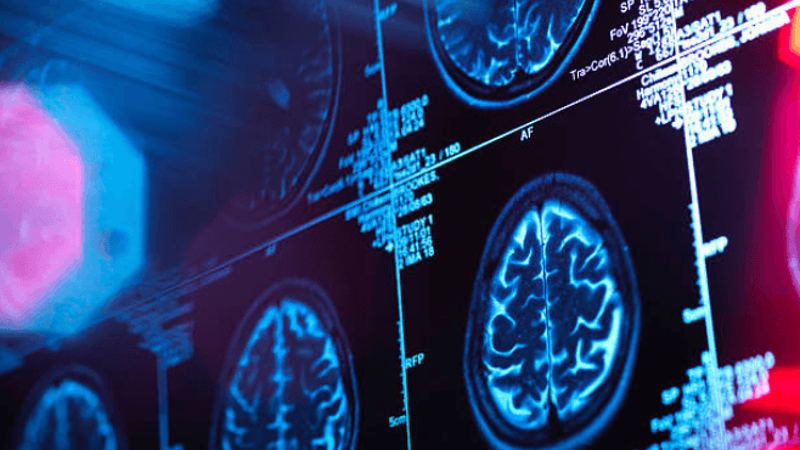
Specialized neurological care provides accurate diagnosis, ongoing monitoring and structured rehabilitation support tailored to individual conditions rather than broad, one-size-fits-all approaches. Many neurological conditions begin with small, easily ignored changes like persistent headaches, numbness, memory lapses or coordination trouble. A specialist knows how to distinguish harmless quirks from warning signs that demand attention. Tools such as magnetic resonance imaging allow doctors to study the brain in detail and follow how conditions develop over time.
When Delay Creates Lasting Damage
Putting off care for nerve or brain disorders rarely keeps them stable. Conditions like epilepsy, Parkinson’s or untreated stroke risk can progress steadily, making later recovery slower and harder. What might have responded to early medication can grow into lasting disability. Neurological decline does not only affect the patient—lost mobility, confusion or speech difficulties create pressure on families and finances. Care delayed often becomes care that costs more in every sense.
Modern neurology reaches well beyond single consultations, bringing together advanced testing, critical care, rehabilitation and ongoing disease management into coordinated plans. Time matters enormously when the brain is under threat. Rapid assessment and treatment after a stroke can mean the difference between full recovery and permanent loss. Many neurological conditions require patient, ongoing management rather than a single fix, with physical rehabilitation helping patients rebuild strength, balance and confidence as treatment plans shift with changing needs.
Brain health also connects closely to daily choices: quality sleep, regular movement, good nutrition and managing stress all influence neurological resilience over time. Expert guidance ties these habits to individual situations rather than offering vague advice, helping patients understand prevention as lasting protection against far harder situations later.
This article is an AI-assisted summary. All facts and figures are drawn from the original report: https://redwingnews.com/long-term-nerve-and-brain-health-depends-on-specialised-neurological-care/