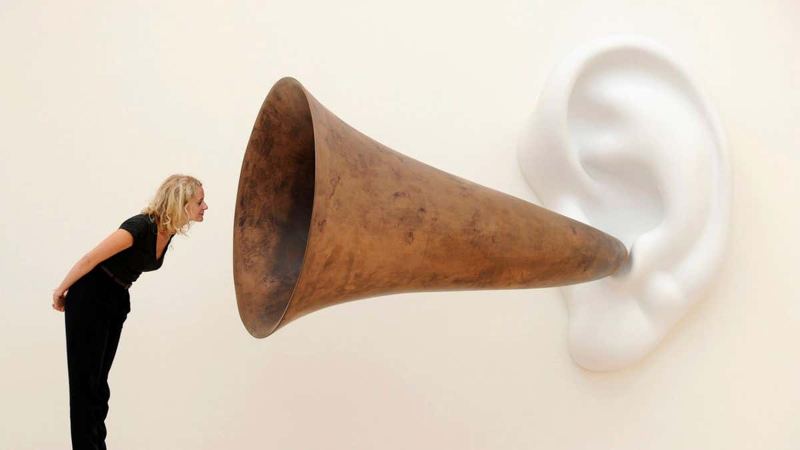
Hearing loss, long dismissed as a minor consequence of aging, is now recognized as a major public health crisis linked to serious health conditions including dementia, cardiovascular disease, and premature mortality. According to the World Health Organization, over 1.5 billion people—almost a fifth of the global population—currently live with some form of hearing loss, with prevalence doubling every decade of life. By age 70, approximately two-thirds of people experience hearing difficulties.
The health consequences extend far beyond difficulty hearing. Uncorrected hearing loss often leads to social withdrawal, loneliness, and isolation—factors that increase mortality risk from any cause by about one-third. People with hearing loss face a 38 percent higher risk of cardiovascular disease, with the most severe cases showing 76 percent increased stroke likelihood. The connection likely stems from shared underlying damage, particularly to small blood vessels that affect both cardiovascular health and inner ear function.
The link between hearing loss and dementia has drawn particular attention following the 2024 Lancet Commission report, which identified hearing loss as a modifiable risk factor and concluded that 7 out of 100 dementia cases could be prevented. However, research shows variation in risk magnitude: some studies report increases ranging from 28 to 139 percent, while more recent analyses suggest approximately 10 percent increased risk.
New treatment approaches
Several promising pharmaceutical and genetic approaches are advancing through clinical trials. The FDA approval of Otarmeni, a gene therapy for congenital deafness (DFNB9), demonstrates proof of principle that biological treatments can restore hearing. Researchers at the University of New South Wales are developing gene therapies delivered with cochlear implants to promote neuron survival, with phase II trials showing positive results. Stem cell approaches to regenerate damaged neurons are also progressing, with Rinri Pharmaceuticals in Sheffield and Lineage Cell Therapeutics in California moving to clinical trials.
Chemical compounds designed to protect inner ear structures show potential, though three candidates have failed since 2023. Ebselen and Paliroden are currently in phase II trials. Meanwhile, existing hearing aids and cochlear implants remain important tools for maintaining social connection and quality of life, and some research suggests they may slow cognitive decline in vulnerable populations.
This article is an AI-assisted summary. All facts and figures are drawn from the original report: https://www.newscientist.com/article/2527617-hearing-loss-is-bad-for-the-whole-body-but-new-treatments-are-coming/