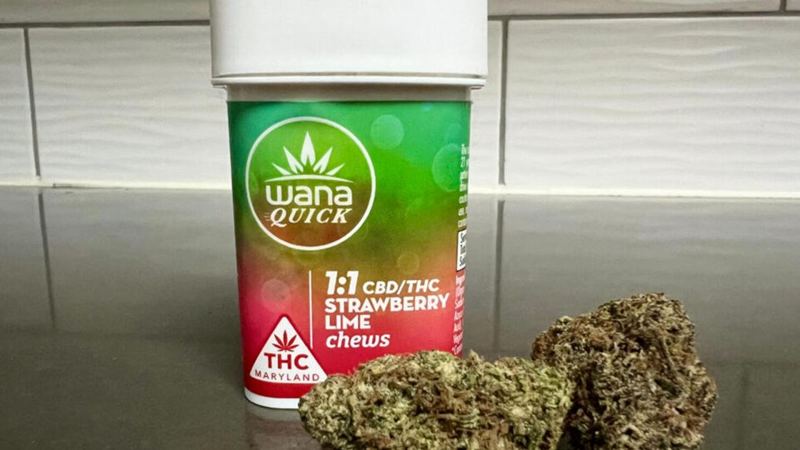
The U.S. Department of Justice’s recent decision to downgrade medical cannabis from Schedule I to Schedule III marks an unprecedented federal shift in drug classification. This reclassification signals that the federal government acknowledges an accepted healthcare use for cannabis. However, recreational marijuana remains a Schedule I drug under federal policy, even though 24 states and the District of Columbia allow recreational cannabis in various forms. The U.S. Drug Enforcement Administration is set to hold its first hearing at the end of June on possible de-scheduling of marijuana broadly, which would include recreational or adult-use cannabis.
The rescheduling change carries several implications. Cannabis businesses have long been blocked from taking certain federal tax deductions under Schedule I classification. Moving medical cannabis to Schedule III could ease some constraints, allowing companies to be “taxed like a normal business,” according to Lauren Niehaus, executive director of government relations at Trulieve Cannabis Corp., one of the largest cannabis companies. However, rescheduling also creates new uncertainty. The change requires medical cannabis businesses to register with the DEA, pay annual fees, and comply with detailed reporting, inventory, and security rules that may overlap or conflict with existing state systems.
State cannabis regulators in Oklahoma, Vermont, Washington, and other states reported they are awaiting guidance from the DEA and other federal agencies before determining whether businesses must register with the DEA or face new compliance requirements. James Pepper, chair of the Vermont Cannabis Control Board, expressed frustration, stating: “None of us really can effectively advise our licensees, which is just incredibly frustrating, especially with a ticking clock.”
Rescheduling could also advance cannabis research. Assistant professor Chad Johnson at the University of Maryland School of Pharmacy noted that research falls short of what is needed to understand cannabis as medical treatment, and rescheduling could allow academic institutions to study products already sold in their states. However, some public health and addiction experts caution against interpreting the shift as a signal that cannabis is risk-free. Dr. Alta DeRoo, chief medical officer of the Hazelden Betty Ford Foundation, warned: “It’s going to reduce the public’s perception of risk of cannabis, and right now, I don’t think the public is aware of the high potency that cannabis has.”
New federal changes face potential court challenges and possible reversal by a future administration. The attorneys general of Indiana, Louisiana, and Nebraska filed a petition for review in the U.S. Court of Appeals for the District of Columbia Circuit, arguing the Justice Department’s rescheduling order violates federal administrative law. Smart Approaches to Marijuana and the National Drug and Alcohol Screening Association filed a similar lawsuit, arguing the administration exceeded its authority under the Controlled Substances Act.
This article is an AI-assisted summary. All facts and figures are drawn from the original report: https://www.yankton.net/community/article_7a4fb9e3-1065-44e4-9618-eb0f54dce310.html