Ketamine-assisted psychotherapy is emerging as a treatment option for severe depression and post-traumatic stress, particularly among high-trauma populations like first responders. However, the largely unregulated market and limited evidence base present significant challenges and safety concerns.
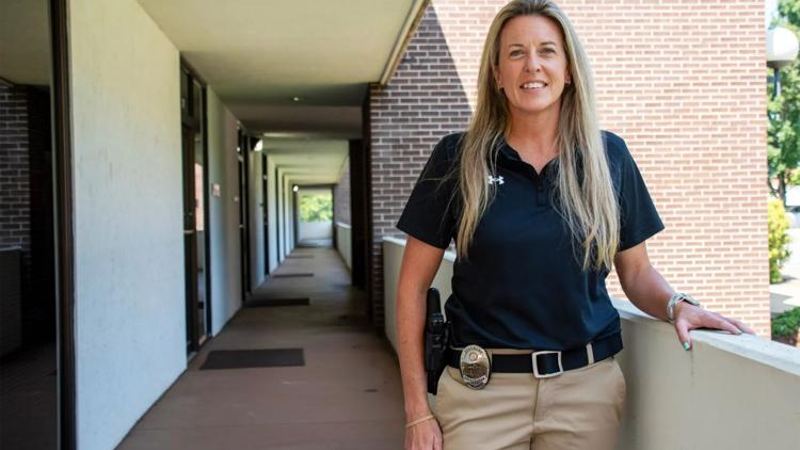
Police Sergeant Paige Shell, after nearly 20 years in law enforcement, experienced depression, poor sleep, and suicidal thoughts. When traditional talk therapy proved ineffective, her counselor suggested ketamine-assisted psychotherapy. “I didn’t know what to expect. I’m a cop. It’s a trust thing,” Shell said with a thin smile. Law enforcement officers on average are exposed to 187 traumatic events over their careers, compared to two to three in an average adult’s lifetime. Research shows significantly higher rates of depression and burnout among police officers than in the civilian population.
Starting with a 1990 animal study followed by a landmark human trial, research demonstrated that low-dose ketamine can rapidly reduce depression symptoms. The FDA approved esketamine—derived from ketamine—as a nasal spray in 2019 for treatment-resistant depression. However, all other ketamine forms remain FDA-approved only for anesthesia. If used for psychiatric disorders, it must be prescribed off-label.
Ketamine is a dissociative drug, meaning it causes detachment from body, physical environment, thoughts, or emotions. The Food and Drug Administration approved it as an anesthetic in 1970, and it became a popular party drug in the 1990s. In 1999, ketamine was added to the Schedule III nonnarcotic substances list under the Controlled Substances Act. More than 1,000 ketamine clinics have sprouted across the country. At-home treatments have flooded the market, prompting an FDA warning.
Side effects range from nausea and blood pressure spikes to suppressed breathing. The drug also causes adverse psychological effects. Regulatory oversight remains lacking, with state oversight varying and federal regulations not outlining dosing, administration methods, safety protocols, or provider training. Most insurers decline to cover ketamine-assisted psychotherapy, with sessions exceeding $1,000 per IV drip.
This article is an AI-assisted summary. All facts and figures are drawn from the original report: https://www.sentinel-echo.com/news/largely-unregulated-mental-health-treatment-faces-hurdles/article_6971f903-192c-4308-b0ff-a0532dce0968.html