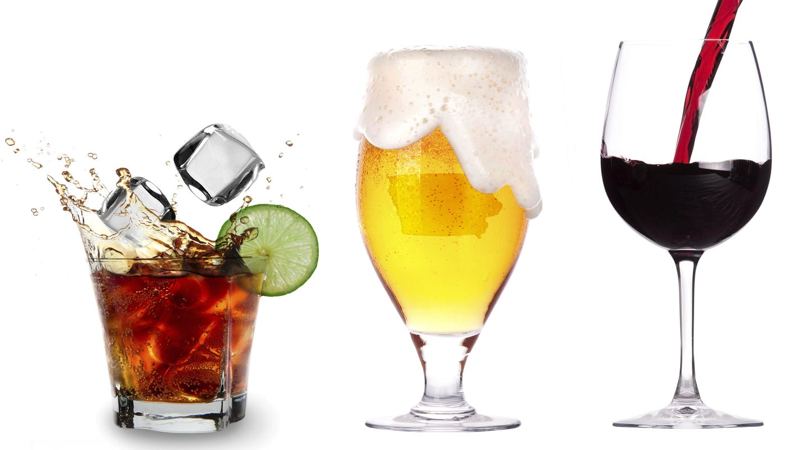
Alcohol remains a leading health crisis in America, killing nearly 500 people every day according to a recent analysis by preventive cardiologist Dr. Irving Kent Loh. The drug kills more people annually than the total of all infectious diseases, yet it continues to receive far less public health attention than the opioid crisis.
If ethanol were a drug seeking FDA approval, it would never pass. The substance carries documented risks including nausea, vomiting, gastric bleeding, gastritis, ulcers, encephalopathy, heart failure, arrhythmia, pancreatic damage, liver scarring, liver failure, and liver cancer. It is highly addictive and highly variable in effects based on individual genetics and prior exposure. Yet despite these dangers, alcohol is woven into American cultural and social life, and the alcohol lobby wields significant influence over public policy.
The public health toll is substantial. In the U.S. alone, alcohol is responsible for about 179,000 deaths annually. Alcohol-related emergency room visits have nearly doubled in the first two decades of this century. The economic cost related to alcohol abuse exceeds $240 billion. The healthcare system has failed to address alcohol abuse meaningfully, according to Loh, including across both Democratic and Republican administrations. Various Surgeon General reports have documented alcohol’s links to psychosocial and medical issues, yet beyond small print warning labels, nothing substantial has changed.
Recent policy shifts have worsened the situation. Robert F. Kennedy Jr., a recovering alcoholic and Trump’s Health and Human Services Secretary, has loosened drinking guidelines and reduced efforts to understand and prevent alcohol addiction. Efforts to raise taxes and allow stricter regulation—strategies that successfully reduced tobacco addiction—have been fought off by the alcohol industry.
The opportunity to reduce harm is clear: if alcohol consumption were cut to one drink per day, an estimated 18,000 new cancers per year could be eliminated. The MAHA movement treats sugary drinks and ultra-processed foods with scrutiny, Dr. Loh argues, and should apply the same standard to excessive alcohol use. No one is proposing prohibition, but public education about the impact of excessive alcohol use and binge drinking is essential for a responsible society.
This article is an AI-assisted summary. All facts and figures are drawn from the original report: https://www.vcstar.com/story/opinion/columnists/2026/05/30/an-underreported-drug-crisis-in-america-dr-loh/90286250007/