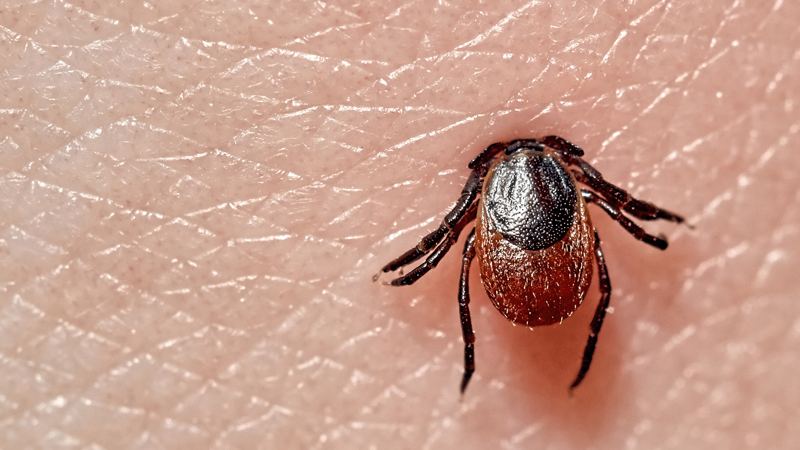
Emergency room visits for tick bites jumped more than 25% nationwide in April compared to the same time last year, according to CDC data, with the Northeast experiencing the most significant surge. By the fourth week of April, roughly 114 out of every 100,000 emergency department visits nationwide were linked to tick bites—the highest level for this point in the year since at least 2017.
The CDC estimates about 31 million Americans are bitten by ticks each year, with tick-borne illnesses on the rise. Lyme disease is the most common, affecting an estimated 476,000 Americans receiving treatment annually. Transmitted by blacklegged ticks carrying Borrelia bacteria, the infection typically requires the insect to remain attached for 36 to 48 hours or longer. Early signs include a bull’s-eye rash and flu-like symptoms; untreated cases can progress to affect the heart and nervous system, causing facial paralysis, irregular heartbeat, and nerve pain.
Alpha-gal syndrome, a potentially life-threatening condition linked primarily to lone star tick bites, causes severe allergies to the alpha-gal sugar molecule found in red meat and dairy products. Symptoms range from itchy skin and hives to severe anaphylaxis. The CDC estimates as many as 450,000 Americans may have been affected as of 2023. A 47-year-old New Jersey pilot became ill after eating a hamburger in 2024 in what researchers reported as the first known death linked to the condition.
Rocky Mountain spotted fever, caused by the bacterium Rickettsia rickettsii, presents initially as severe flu-like symptoms and can progress to life-threatening complications including acute respiratory distress syndrome, kidney injury, and organ failure. About 1,200 cases are diagnosed annually, with numbers rising in recent years. Anaplasmosis and ehrlichiosis, other tick-borne bacterial infections, similarly begin with flu-like symptoms and can lead to respiratory failure, organ failure, and rarely, death if not treated promptly.
Dr. Alison Hinckley, an epidemiologist with the CDC’s Division of Vector-Borne Diseases, emphasized preventive measures including EPA-registered insect repellent, permethrin-treated clothing, and immediate removal of attached ticks. Those developing a rash or fever days or weeks after a tick bite should seek medical care promptly.
This article is an AI-assisted summary. All facts and figures are drawn from the original report: https://nypost.com/2026/05/23/health/5-diseases-you-can-get-from-ticks-as-er-visits-spike/