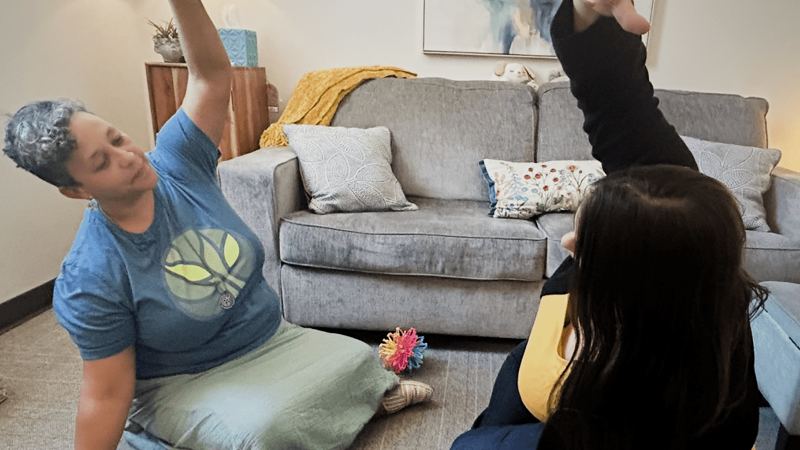
Movement and physical activity are increasingly recognized as therapeutic tools for mental health, yet their integration into mental health treatment remains underutilized. Kyla Gilmore, clinical director and board-certified dance and movement therapist at Oak Park’s Mosaic Counseling & Wellness, advocates for placing the body at the center of therapeutic practice.
The Research and Philosophy
Gilmore emphasizes that “evidence and research point to the benefits of movement as being helpful for overall mental health, physical health and well-being.” She explains that many people are coming to understand the importance of including the body as both a site of intervention and self-expression. Through blending fitness, movement, and music with mental health treatment, practitioners can help clients maintain positive health while establishing creative mind-body connections to explore emotions.
Trauma-Informed Movement Therapy
Applied through a trauma-informed lens, movement therapy expands psychology toward a more holistic perspective. Gilmore stresses that effective trauma-informed practice requires attunement to the client’s readiness, noting that practitioners should ensure clients are saying “yes” with both their words and their body. Diverse movement modalities—including dance, music, and walking-and-talking therapy—provide accessible benefits for people across all ages, backgrounds, and neurodivergent populations. For children, movement therapy aligns with how they naturally learn experientially, while adults seeking creative processes find it valuable for non-verbal exploration alongside talk therapy.
Implementation and Accessibility
Movement therapy is highly individualized, ranging from full sessions to small incorporations within talk therapy. Gilmore notes that sessions might use equipment like scarves, drums, or balls, or leverage outdoor space for walking discussions during pleasant weather. She draws from personal experience, having discovered dance as a coping mechanism for college stress when expression through words remained difficult. Her advice to those hesitant about movement therapy is to research comfortable approaches and remember that “we have a body. However, our body moves, that’s the right way for us to honor our body.”
This article is an AI-assisted summary. All facts and figures are drawn from the original report: https://www.austinweeklynews.com/2026/05/22/movement-therapy-wellness/