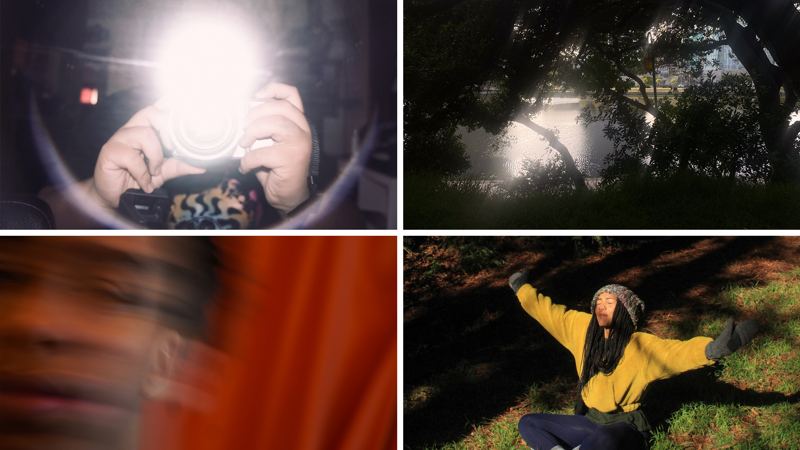
A pilot workshop series in Oakland engaged high school students to explore their mental health through photography and visual storytelling, focusing on the caregivers who sustain them. Organized by CatchLight’s Mental Health Visual Desk and Youthbeat, and facilitated by visual journalists including Florence Middleton from KQED, the project brought together students from MetWest High School, Oakland High School, Coliseum College Prep Academy, and other Bay Area schools.
During initial discussions in February, students shared the major pressures affecting their mental health: trauma from losing loved ones, overwhelming pressure to succeed in school, social media comparison, environmental dangers like finding abandoned guns, immigration’s effects on their families, and households in “survival mode” with no time to process feelings. A key theme emerged: while mental health resources exist and the Bay Area openly discusses mental health, many students felt unsafe being vulnerable, fearing judgment from their peers if they disclosed struggles.
Gen Zers, those born between 1997 and 2012, are 80% more likely to report dealing with anxiety or depression compared to older generations. In 2021 and 2025, the American Academy of Child and Adolescent Psychiatry declared a national emergency for children’s mental health in America amid rising mental health-related hospital visits and suicide attempts. The workshop aimed to create space for teens to process these realities and document their own experiences.
Photo Essays as Testimony
Over a three-month period, each student chose a caregiver—a parent, teacher, friend, sibling, or partner—and created a photo essay documenting how that person’s care shapes their well-being. Evelyn Sanchez De Leon, an Oakland High School student, chose her best friend Sharon, who has supported her for six years since they met in sixth grade. Adonis Paul Anthony, a senior at Coliseum College Prep Academy, documented his father’s role in helping him navigate overwhelming pressure about school and his future. Other participants photographed their mothers, fathers, study skills teachers, and romantic partners—capturing how invisible caregiving labor quietly sustains young people through mental health crises. Collectively, the essays answer the question: in a time of crisis for young people’s mental health, whose hands hold them up?
This article is an AI-assisted summary. All facts and figures are drawn from the original report: https://ww2.kqed.org/news/2026/05/21/visualizing-teen-mental-health-oakland-students-highlight-caregivers-through-photography/