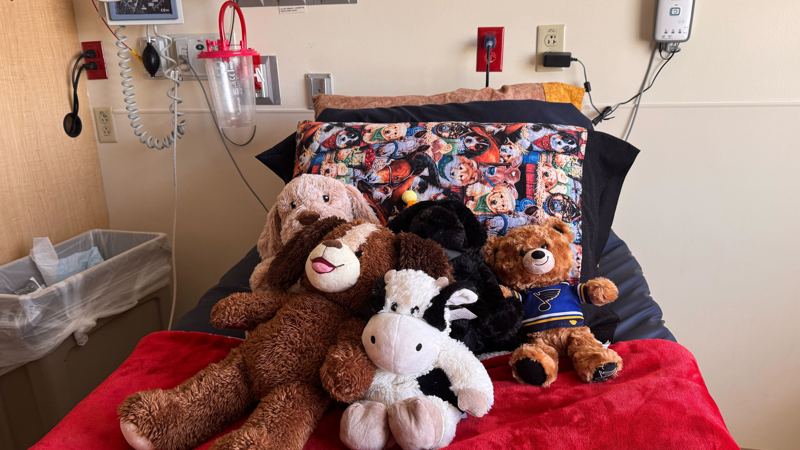
Children with behavioral, psychiatric, and complex medical needs are languishing in hospital beds beyond medical necessity, a practice known as “hospital boarding” or “social stays,” when social services systems cannot find appropriate discharge settings.
Hospitals across Missouri, Illinois, Minnesota, Georgia, and other states are housing children who would otherwise be well enough to go home but lack safe places to be discharged. Quette’s teenage son became paralyzed in 2023 and remained hospitalized for months after he was medically cleared for discharge, all while his family sought home health aide assistance. When his grandmother—his legal guardian—died, he became a ward of the state and continued living in a St. Louis children’s hospital because no alternative care setting was available.
The problem affects hundreds of children annually. Georgia officials reported that 500 children were “relinquished” by their parents to the state’s Division of Family & Children Services last year due to complex behavioral or psychiatric needs. In Illinois, the Department of Children and Family Services logged 304 cases of youth in psychiatric hospitals beyond medical necessity in the last fiscal year, with about 43% among patients ages 13 to 16. In Colorado, an autistic 13-year-old spent weeks at UCHealth Longs Peak Hospital in Longmont while officials worked for months to find placement.
The financial burden is substantial. According to the Missouri Hospital Association, the state’s Department of Social Services reimbursed $16.3 million to 19 hospitals for 9,943 boarding days last year, averaging more than $1,600 a night. However, this is a substantial undercount, as hospitals often absorb costs when they aren’t reimbursed. A 2023 Minnesota Hospital Association survey of about 100 hospitals estimated unpaid costs of “unnecessary” patient stays at $487 million for 195,000 days of care.
Children in these situations often sleep on emergency room stretchers, sit in windowless rooms, and miss school. Federal funding cuts to Medicaid compound the crisis. Medicaid is expected to lose nearly $1 trillion in federal funding by 2034, prompting states to scale back optional home-care programs. Elaine Lin, a pediatrician at Boston Children’s Hospital, noted that “many of our kids with medical complexity just don’t have access to the appropriate home nursing to bring them home safely.” Missouri lawmakers have repeatedly introduced legislation to reduce hospital boarding days and eventually end the practice, though bills have stalled in committee.
This article is an AI-assisted summary. All facts and figures are drawn from the original report: https://kffhealthnews.org/health-industry/hospital-boarding-social-stays-children-kids-missouri-illinois/