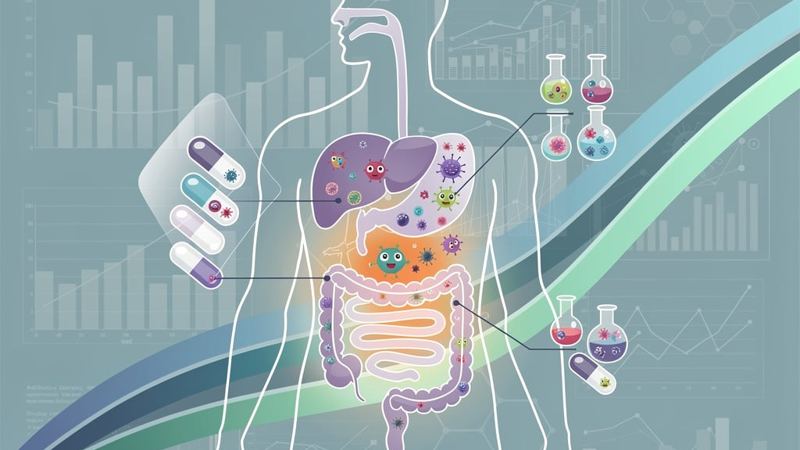
A series of small trials have found that fecal microbiota transplants appear to reduce both gastrointestinal symptoms and autism-related behaviors in children, though researchers stress that larger, placebo-controlled studies are needed before the approach moves beyond experimental use.
Arizona Trial Shows Two-Year Symptom Reduction
In one open-label trial from Arizona State University, 18 children received microbiota transfer therapy combining antibiotics, bowel cleanse, stomach-acid suppressant, and repeated fecal transplants. At the two-year mark, gastrointestinal symptoms remained 58% lower than baseline on the Gastrointestinal Symptom Rating Scale. Autism-related symptoms showed larger drops: Childhood Autism Rating Scale scores fell 47% from baseline. Before treatment 83% of participants rated severe; afterward just 17% did. Approximately 44% scored below the cutoff for an autism diagnosis. The authors, publishing in Scientific Reports, noted persistent increases in bacterial diversity and beneficial groups such as Bifidobacterium and Prevotella. The gains in adaptive behaviors exceeded what doctors typically observe in this population.
Gentler Protocol Shows Promise in Japan
Japanese researchers tested a less invasive approach using fecal microbial solution in hydrogen nanobubble water. Thirty children received weekly enemas for six weeks without antibiotics or cleansing. The method reported zero adverse events. Social Responsiveness Scale scores fell 29% at 30 weeks and remained stable a year later. Among children without gastrointestinal complaints, the drop reached 45%. Gastrointestinal Symptom Rating Scale scores dropped 61% among those with gut issues. Anxiety and depression scores halved. The team, publishing in Frontiers in Pediatrics, highlighted that this approach used material from one screened donor and far fewer bacteria than standard transplants.
Regulatory and Scientific Caution
A 2025 open-label controlled study of colonoscopic fecal transplants in 30 children found no significant difference on the Autism Diagnostic Observation Schedule at eight weeks, though parent-reported measures improved and some gains lasted to 18 months. A Science article from late 2025 described much microbiome research as deeply flawed, with small trials lacking proper controls dominating the record. One placebo-controlled study found no difference between groups. The FDA has approved fecal microbiota transplants only for recurrent Clostridioides difficile infection; autism applications remain experimental. Researchers emphasize that double-blind, placebo-controlled studies with hundreds of participants are necessary before this moves from promising signal to standard treatment option.
This article is an AI-assisted summary. All facts and figures are drawn from the original report: https://www.webpronews.com/fecal-microbiota-transplants-show-lasting-gains-in-autism-symptoms/