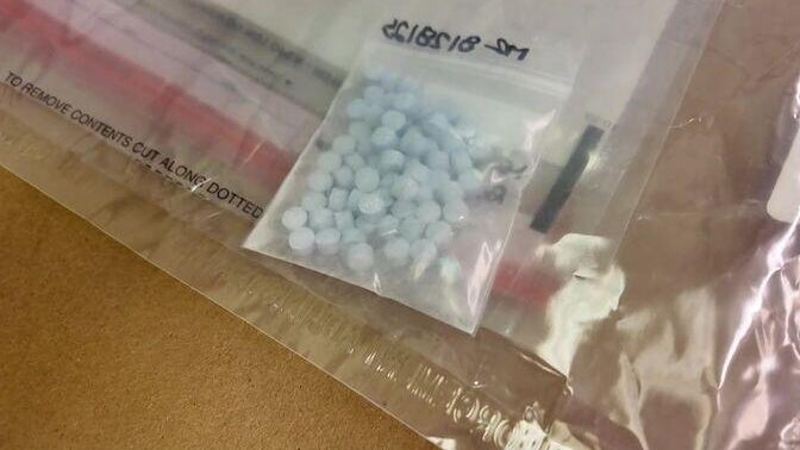
Overdose deaths in the United States declined for the third consecutive year, with about 70,000 Americans dying of drug overdoses last year—about 14% fewer than the previous year, according to preliminary data from the Centers for Disease Control and Prevention released Wednesday. The 2025 total marks the longest decline in decades and is about the same as the tally in 2019, before the COVID-19 pandemic.
Declines were seen across multiple drug types, including fentanyl, cocaine, and methamphetamine. Overdose deaths fell in the vast majority of states, although seven states saw at least slight increases, with jumps of 10% or more in Arizona, Colorado, and New Mexico. Brandon Marshall, a Brown University researcher who studies overdose trends, said he was “cautiously optimistic that this represents really a fundamental change in the arc of the overdose crisis,” while cautioning that deaths could rise again with policy changes or shifts in drug supply.
Researchers have pointed to numerous possible factors in the decline: increased availability of naloxone, expanded addiction treatment, shifts in drug use patterns, and billions of dollars from opioid lawsuit settlements. Regulatory changes in China appear to have diminished the availability of precursor chemicals used to make fentanyl. However, new substances continue to emerge. Alex Krotulski, director of a federally funded toxicology lab in Horsham, Pennsylvania, noted that the lab identified 27 new drugs in 2025, but less than five months into 2026, it has already identified 23 new drugs. These include cychlorphine, described as up to 10 times stronger than fentanyl and used as a cutting agent in other drugs.
The Trump administration has cut programs designed to reduce overdose deaths. The federal Substance Abuse and Mental Health Services Administration notified grant recipients that the government would no longer pay for test strips and kits that help drug users detect highly lethal additives including fentanyl and xylazine. Shreeta Waldon, executive director of the Kentucky Harm Reduction Coalition, said her organization lost a $400,000 grant that distributed tens of thousands of fentanyl test strips. “If they follow the science and the data, we would never move in this direction,” Waldon said.
This article is an AI-assisted summary. All facts and figures are drawn from the original report: https://www.cbsnews.com/news/overdose-deaths-decline-2025-rate-cdc-data/