Despite being a global healthcare leader, the United States has among the worst maternal and infant health outcomes in the developed world. In 2024, the U.S. earned a D+ grade from the March of Dimes for preterm births, with half of the country’s 50 states receiving a D or F rating according to Dr. Catherine Limperopoulos, center director of Prenatal, Neonatal and Maternal Health Research at Children’s National Hospital in D.C. Nationwide, over 20,000 babies die before age 1, with birth defects accounting for 19.8% of deaths, sudden unexpected infant deaths at 17.9%, preterm birth/low birth weights at 16.1%, and maternal complications at 5.7%.
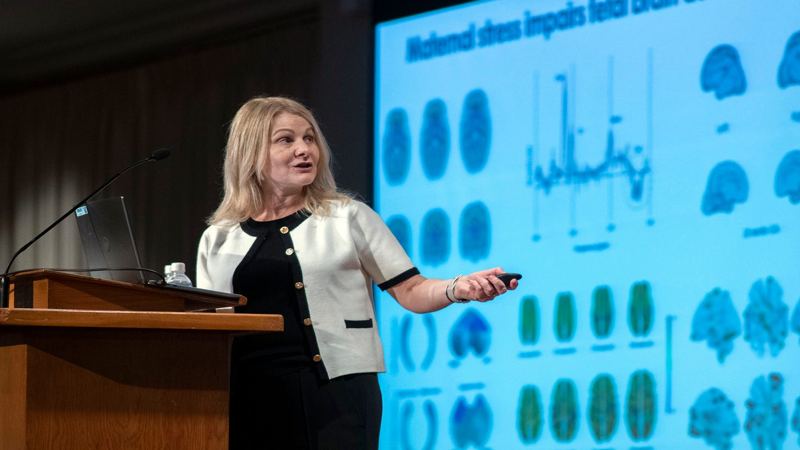
Mental health problems represent the leading complication of pregnancy, far surpassing gestational diabetes, pre-eclampsia, and hypertensive disorders. However, about 75% of maternal mental health problems go untreated because screening is not routine. According to the CDC, maternal mental health conditions are the leading cause of pregnancy-related deaths, with 85% of these deaths deemed preventable through the first year of postpartum. Elevated levels of maternal stress, anxiety, and depression affect a baby’s brain development even before birth. Using in-utero MRI scanning, doctors have learned that maternal stress impairs fetal brain development and can lead to higher incidences of maternal-infant attachment disorders, emotional and behavioral disorders, and temperament problems. Untreated maternal mental health problems cost 14.2 billion dollars in economic repercussions.
Maternity Care Deserts affect large portions of the country, with 5.6 million women living in counties with very limited maternal health access and 35% of U.S. counties designated as maternity care deserts, with over 150,000 babies born in these deserts each year. In Washington, D.C., the preterm birth rate of 11.8% earns an F grade, and Black babies are 1.8 times more likely to be preterm and 1.5 times more likely to die than Hispanic and White babies. Black women are four times more likely to die than white mothers. The Mommy&Me study, a randomized control trial, enrolled just over 730 Black pregnant women from under-resourced D.C. neighborhoods and focused on women with “profound legacy of adversity” including histories of abuse or neglect, home instability, and social drivers such as financial, housing, and food insecurities. Nearly all 96% of women in the intervention group engaged in care coordination, over 80% engaged in behavioral therapy, and about 20% engaged in peer support.
This article is an AI-assisted summary. All facts and figures are drawn from the original report: https://www.pnj.com/story/news/civiccon/2026/05/13/catherine-limperopoulos-nickie-andescavage-talk-maternal-health-crisis/89966654007/