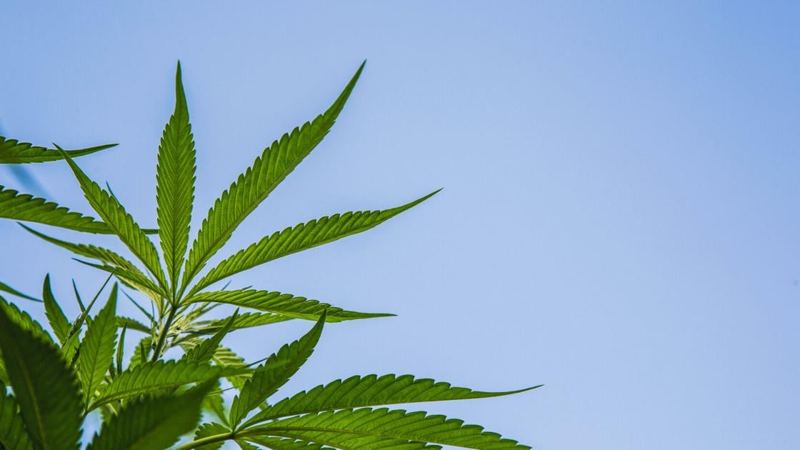
A recent op-ed by Kevin Sabet, CEO of a national advocacy group, mischaracterizes findings from a Lancet Psychiatry systematic review to argue against medical marijuana for post-traumatic stress disorder, anxiety, and depression, according to commentary addressing the misrepresentation. The gap between the study’s actual conclusions and Sabet’s claims is significant.
What the research actually found
The Lancet Psychiatry review examined 54 randomized controlled trials spanning 45 years. The authors’ headline conclusion calls for more research rather than rejecting marijuana. The paper states: “Overall, there is a crucial need for more high-quality research” and “Given the scarcity of evidence, the routine use of cannabinoids for the treatment of mental disorders and [substance use disorders] is currently rarely justified.” The key distinction is that “scarcity of evidence” differs fundamentally from evidence of ineffectiveness or harm—it indicates insufficient high-quality research to draw firm conclusions, partly due to federal prohibition that has limited rigorous trials for decades.
Sabet quotes the lead author’s claim of “no evidence” for marijuana’s effectiveness in anxiety, depression, or PTSD. In scientific terms, this means existing studies don’t provide strong evidence, not that the treatment doesn’t work. The review also found some evidence of benefit for marijuana in treating insomnia, Tourette’s syndrome, and autism spectrum disorder—findings Sabet’s op-ed omits.
The distinction between population studies and medical use
Sabet argues that marijuana causes psychosis, schizophrenia, and depression, citing observational studies. However, these largely examine unregulated use in uncontrolled settings rather than physician-guided medical use—an important distinction. Population-level associations do not directly translate to clinical outcomes under medical supervision, particularly for veterans and trauma survivors who report meaningful relief from PTSD symptoms with medical marijuana. Patient-reported outcomes guide future research and clinical practice.
Medical institutions cited by Sabet—Cochrane, JAMA, and Lancet—assess current evidence and call for more research, but none recommends eliminating medical access. The leap from limited evidence to ending state programs represents a policy stance driven by emotion rather than scientific conclusion.
Path forward through rescheduling
Federal marijuana prohibition has hindered research for decades. The appropriate response to limited evidence is generating better evidence through improved regulatory and funding environments. Rescheduling marijuana from Schedule I to Schedule III under the Controlled Substances Act would facilitate scientific research without legalizing the substance, addressing the regulatory barriers that have long prevented rigorous study.
This article is an AI-assisted summary. All facts and figures are drawn from the original report: https://www.wvgazettemail.com/opinion/op_ed_commentaries/jamie-haase-a-medical-cannabis-critic-misread-the-science-opinion/article_84cf65dd-5fc6-4347-af31-8c2d3e5937f7.html