Brain Changes During Addiction
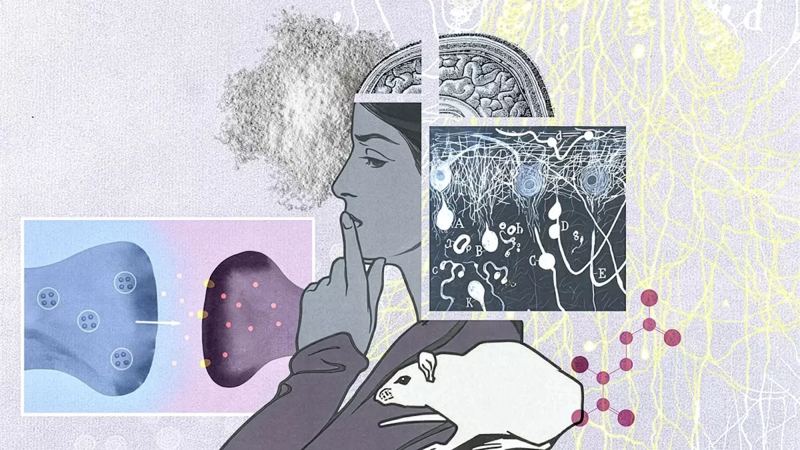
Substance use causes long-lasting structural changes to the brain through neuroplasticity, the strengthening of connections called synapses between nerve cells. According to behavioral neuroscientist Marina Wolf of Oregon Health & Science University, these changes don’t disappear when a person stops using drugs. Instead, cravings can strengthen after abstinence, leaving people vulnerable to relapse even months or years after achieving sobriety.
Wolf’s research focuses on how the neurotransmitter glutamate plays a critical role in synaptic plasticity related to addiction. In her rat models of drug self-administration, she found that during abstinence, calcium-permeable AMPA receptors are inserted into glutamate synapses in the nucleus accumbens, a brain region key to motivated behavior. This homeostatic strengthening compensates for lower glutamate levels during abstinence but creates increased vulnerability when cues reminiscent of drug use are encountered.
The Timeline of Craving
Research demonstrates that cue-induced craving follows an “incubation” pattern, progressively increasing over the first weeks of abstinence before plateauing at high levels. For cocaine, the highest craving occurs between one and three months of abstinence. This timeline mirrors findings in human studies. Wolf notes that “addiction treatment programs often last only a month, so people are returning to the real world just at the point when cue-induced craving is peaking.” The inverted U-shaped curve of craving—rising, plateauing, then declining—holds across drug classes including methamphetamine, opioids, nicotine, and alcohol in both animal models and human studies.
This article is an AI-assisted summary. All facts and figures are drawn from the original report: https://us.headtopics.com/news/what-addiction-does-to-the-brain-83193410