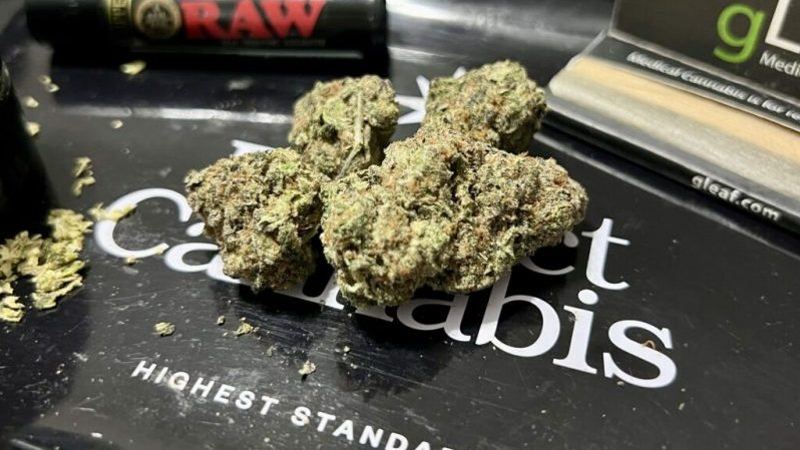
States across the country are increasingly debating how potent legal cannabis products should be as research links high-THC cannabis to elevated risks of psychosis, addiction, and mental health problems, particularly in adolescents and young adults.
The debate reflects a shift in product potency over recent decades. Where cannabis flower once commonly contained single-digit THC levels, many products sold legally today contain 15% to 20% THC or higher, while concentrates such as waxes, oils, and shatter can exceed 80%. According to the Substance Abuse and Mental Health Services Administration, about 15% of Americans ages 12 and older reported using marijuana in the past month in 2024. The Centers for Disease Control and Prevention reports that approximately 3 in 10 people who use cannabis develop cannabis use disorder.
A JAMA Health Forum study published earlier this year found that adolescents who used cannabis, including higher-potency products, had significantly increased risk of developing psychotic and bipolar disorders, along with higher risks of depression and anxiety. The research tracked about 463,000 adolescents in Northern California aged 13 to 17, following outcomes into early adulthood. Other research has linked frequent use of high-potency cannabis to greater psychosis risk, with dose-response relationships showing risk rises as THC concentration and use frequency increase. According to Dr. Alta DeRoo, chief medical officer of the Hazelden Betty Ford Foundation, some patients have experienced remarkable psychosis from high-potency marijuana alone, arriving “seeing things, believing things, alternate realities.”
In response, some lawmakers have introduced potency caps. Connecticut reinstated a 35% THC cap on flower this year after briefly voting to eliminate it. Georgia Governor Brian Kemp signed a law removing the state’s previous 5% THC cap, effective July 1. Eight states—Connecticut, Mississippi, Montana, Nevada, New Mexico, Oregon, Rhode Island, and Vermont—currently have potency caps on some products. However, cannabis industry groups argue that existing regulations protect consumers adequately and warn that potency limits could drive users to illicit markets. Public health advocates counter that clearer labeling, child-resistant packaging, and education campaigns should complement potency restrictions to protect public health.
This article is an AI-assisted summary. All facts and figures are drawn from the original report: https://royalexaminer.com/high-potency-cannabis-fuels-state-debates-over-psychosis-and-addiction-risks/