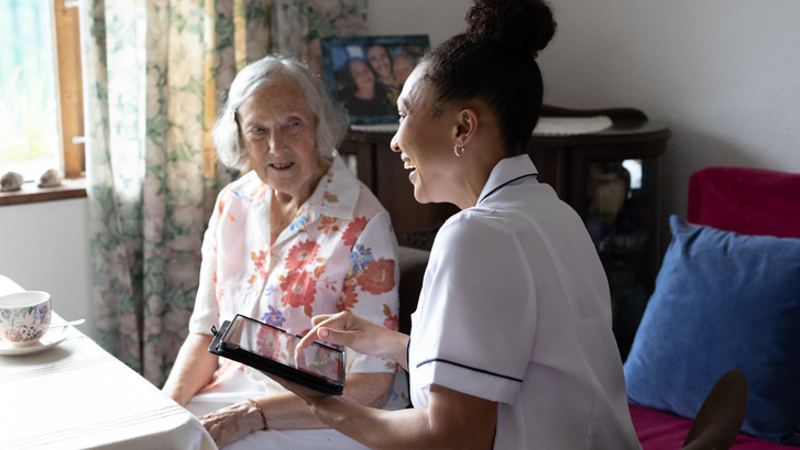
States are transitioning homecare reimbursement models from paying for hours of service to compensating based on caregiver skill levels. This shift reflects the growing complexity of home- and community-based services (HCBS), where caregivers increasingly manage post-hospital support, chronic disease assistance, and memory care requiring specialized training in care coordination, safety monitoring, and recognizing changes in client condition.
Building Caregiver Training Standards
States are implementing stricter training parameters to define caregiver qualifications. New York requires 40 hours of training and an examination within six months of hire, covering injury prevention, pain management, mobility, recognizing changes in body function, and nutrition basics. Washington requires 75 hours of state-approved training and a certification exam using a structured curriculum designed by the Department of Social and Health Services. Oregon has established standardized training, competency requirements, and continuing education expectations, supported by a state-sponsored curriculum.
Nearly 70% of homecare providers already offer specialized training programs to their staff, with disease-specific training being most common—including dementia, Alzheimer’s care, chronic disease support, and post-acute recovery. Skill-based billing aligns payment with expertise delivered and supports value-based care models. Higher-skilled caregivers can reduce hospitalizations, emergency room visits, and nursing facility placements by recognizing early warning signs of infections and changes in baseline health. Keeping clients safely in their homes prevents premature nursing facility placements, which are far more expensive for Medicaid than community-based care, allowing states to invest upfront in a more highly trained workforce while avoiding costs associated with acute interventions and institutional admissions.
This article is an AI-assisted summary. All facts and figures are drawn from the original report: https://medcitynews.com/2026/05/states-are-advancing-homecares-next-big-step-paying-caregivers-for-skill-not-just-time/