Colorado schools lack standardized drug education requirements, leading to dramatically varied approaches across districts. While state law requires that some type of prevention education must be taught, it lacks specifics about what that should look like. According to James Hurley, comprehensive health and physical education content specialist at the Colorado Department of Education, this variation is “dramatic” between districts, with individual school districts determining curriculum content under the state’s “local control” form of governance.
Recent drug use data from the 2023 Healthy Kids Colorado Survey shows 20.5% of high school students reported currently drinking alcohol, 12.8% use marijuana, 8.7% vape nicotine, and 3.1% smoke cigarettes. Additionally, 3.5% reported taking prescription pain medicine not as prescribed. The 2023 survey added a question about psychedelics, with 3.8% of high school students reporting they had ever used them. Notably, most recent statistics mark decreases from 2021 data, when 23.6% of high school-aged kids reported drinking alcohol and 16.1% reported vaping.
Evolving Approaches and Trust-Based Prevention
Schools are shifting beyond abstinence-only models toward approaches emphasizing mental health investment, trusted adult relationships, and student leadership. At Denver Public Schools, the Sources of Strength program cultivates peer leaders who shape school culture and build community support networks. In the Montrose County School District, educators use a whole-child approach when students are caught using, identifying environmental factors like food insecurity and connecting them with community resources. According to Megan Farley, the district’s manager of student health and safety, “We go in with a whole person, whole family approach.”
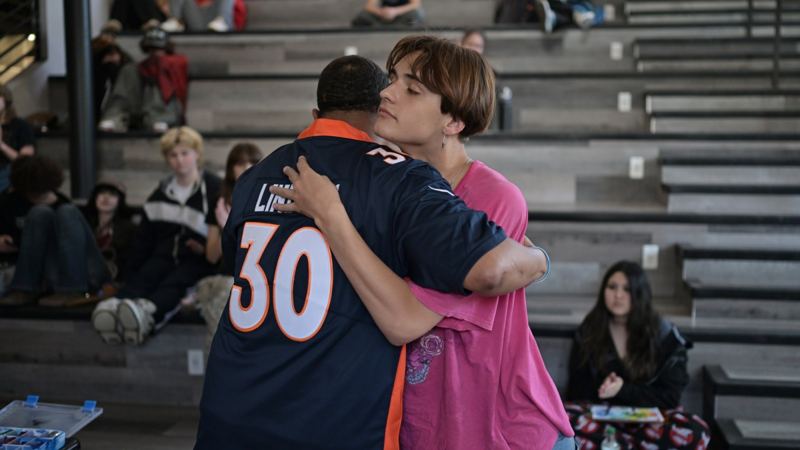
5280 Recovery High School in Denver, serving about 100 teenagers with substance abuse issues, emphasizes vulnerability and honest conversations. During the 2024-25 academic year, the student body achieved an average of 440 days sober from drugs and alcohol—the highest average since the school’s opening in 2018. Keith Hayes, the school’s former director of recovery, stressed that recovery requires building trust: “The ability to be vulnerable with each other without judgment, without shame, is a beautiful thing.”
This article is an AI-assisted summary. All facts and figures are drawn from the original report: https://www.dailypress.com/2026/05/10/drug-education-colorado-curriculum/