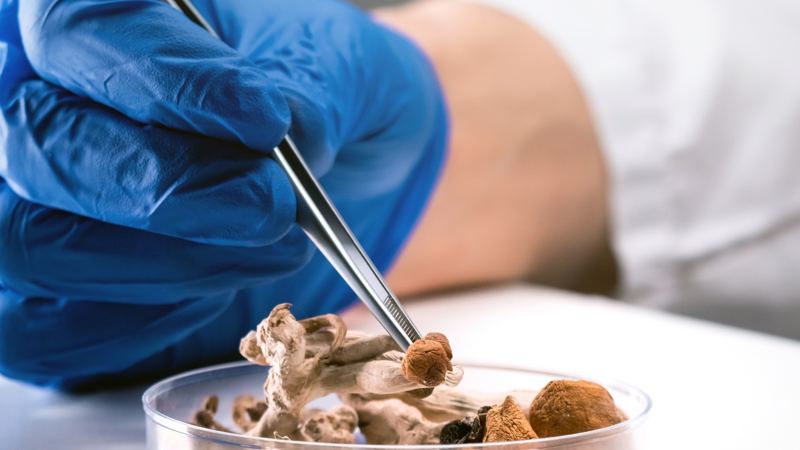
While headlines often highlight dramatic recoveries from psychedelic therapy, a new study from Charité Universitätsmedizin Berlin reveals a more complex reality. Some patients show strong improvement while others see no change or experience negative effects, underscoring the need to understand which patients benefit and which may be harmed.
The study compared two middle-aged women with lifelong depression who had failed standard treatments and had strong social support. Both participated in guided psilocybin sessions, yet had vastly different outcomes. One patient found the session difficult but meaningful and was depression-free weeks later, while the other experienced distress and saw no improvement in her depression. Dr. Felix Betzler, who led the study, framed the challenge clearly: “Treating patients with psychedelic substances is akin to using a sharp blade. With that in mind, it’s very important to know when to use it – and when not to.”
Identifying Patient Profiles
The researchers surveyed 158 therapists conducting psychedelic-assisted sessions across clinical and underground settings. According to Grace Viljoen, the study’s lead author, certain traits predicted better outcomes: “An openness to new experiences, the ability to come to terms with certain circumstances, accept them and let them go, and the ability to form secure attachments are all decisive factors.” Patients with stable lives, supportive relationships, and experience with meditation or breath-work tended to do better, suggesting mental readiness matters alongside clinical screening.
Conversely, regular substance use—cocaine, amphetamines, alcohol, or cannabis—was linked to poorer outcomes. Personality traits also mattered significantly, with avoidant, dependent, and compulsive traits showing positive associations, while paranoid or schizotypal traits required caution.
Beyond the Substance
A critical finding challenges the assumption that the psychedelic compound alone determines outcomes. Preparation, setting, and integration all shape the experience and final results. Betzler emphasized the path forward: “The knowledge of which patient profiles are fundamentally suited to this form of therapy, and the profiles that can be harmed, will enable us to better control who receives such therapy. It represents a further step toward precision psychiatry in a highly dynamic field.” The study, published in Nature Mental Health, aims to build a screening framework to help clinicians estimate a patient’s likelihood of benefit before treatment begins.
This article is an AI-assisted summary. All facts and figures are drawn from the original report: https://www.earth.com/news/psychedelic-therapy-may-help-some-patients-and-seriously-harm-others/