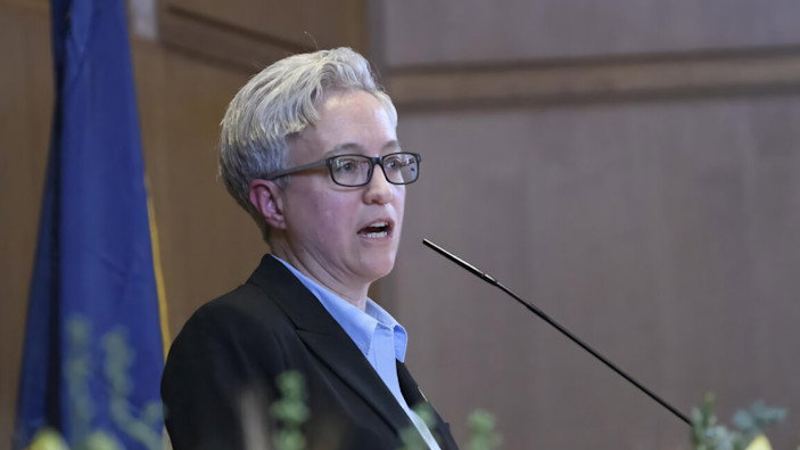
Governor Tina Kotek signed five bills at the University of Oregon’s Ballmer Institute in Portland aimed at strengthening Oregon’s behavioral health workforce and safeguarding young people from emerging artificial intelligence technology. The legislation, supported by first lady Aimee Kotek Wilson, legislators, behavioral health providers and advocates, seeks to expand access to mental health and addiction services across the state. Oregon’s behavioral health system faces a significant workforce crisis, leaving many residents waiting for essential care.
Workforce Support Legislation
House Bill 4083, titled Cutting Red Tape for Behavioral Health Workers, streamlines Medicaid credentialing processes, allowing qualified professionals to begin serving patients more quickly and lessening the administrative burden on providers. This bill is the first to emerge from the Behavioral Health Talent Council’s work. House Bill 4069 mandates that behavioral health employers develop and implement written safety policies and plans protecting the physical safety of behavioral health workers, especially those encountering safety risks and violence with high acuity populations. House Bill 4115 streamlines the background check process for behavioral health workers, extending validity from two to three years and making checks portable across different care settings. State Rep. Nancy Nathanson noted providers have sought changes to the licensing and credentialing system for over a decade due to long wait times and redundant processes.
Additional Provisions
Senate Bill 1547 establishes a new credential for behavioral health professionals trained at the Ballmer Institute, receiving specialized training to work with adolescents, expanding the workforce and filling a critical gap in early intervention and prevention services. The governor also signed Senate Bill 1546, which requires AI chatbot operators to disclose when interactions are artificial and mandates safeguards protecting users, particularly minors, from self-harm or suicidal ideation, requiring bots to refer users experiencing distress to mental health experts and crisis lines.
Workforce Crisis Context
A Higher Education Coordinating Commission survey found that nine of 14 behavioral health profession types face alarmingly high turnover risks, with over two-thirds of workers planning to leave. Governor Kotek established the Behavioral Health Talent Council to develop a comprehensive action plan addressing this crisis, with these bills representing the first legislative outcomes from the Council’s recommendations.
This article is an AI-assisted summary. All facts and figures are drawn from the original report: https://ktvz.com/news/2026/05/08/gov-kotek-signs-legislation-to-improve-access-to-mental-health-and-addiction-services/