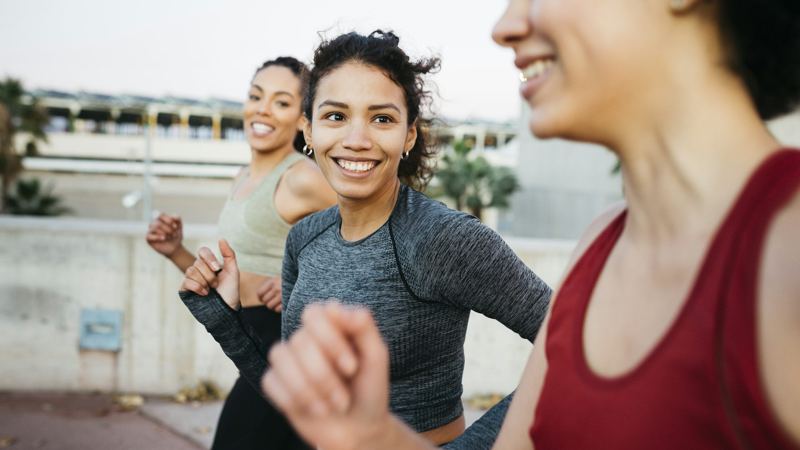
Physical activity is one of the most powerful health tools people have to improve mood, energy and sleep, with benefits observable after just a few sessions. Scientific evidence repeatedly demonstrates that physical activity reduces the risk of developing chronic conditions such as heart disease, diabetes and some cancers. Despite this, most Americans are not getting enough physical activity in their daily lives.
The Centers for Disease Control and Prevention encourages all adults, including those with chronic health conditions or disabilities, to aim for at least 150 minutes of moderate intensity aerobic activity weekly, such as walking, jogging or swimming, plus muscle-strengthening activities two or more days per week. Older adults should add balance activities such as tai chi or yoga to help prevent falls. Only half of Americans hit the aerobic target, and just 1 in 4 meet the full CDC guidelines. A 2024 large-scale review showed that people who engage in regular physical activity in adulthood may reduce the risk of early death by 30% to 40% from all causes, particularly from cardiovascular disease and cancer.
The Self-Efficacy Factor
Understanding the importance of exercise usually doesn’t translate into exercising, as making it part of your lifestyle requires believing you can do it and knowing you can do it. Research shows that self-efficacy—the ability to perform a task even when difficult—is the most important personal characteristic driving healthy behavioral changes. Someone with high self-efficacy can get back to their exercise routine even after missing a day, while someone with lower self-efficacy might be thrown off by the same obstacles.
Practical Strategies
Research identifies several approaches to boost self-efficacy: setting manageable, short-term goals rather than distant weight loss or health targets; spreading activity throughout the week in small bursts rather than all at once; prioritizing activities you enjoy rather than structured gym exercise; and exercising socially. Research shows that people who are sedentary increase their physical activity by socializing with someone active, and exercising with others can reduce social isolation and loneliness. In 2026, the American College of Sports Medicine updated strength training guidance, with findings that consistency matters more than specificity of programs—doing any strength training you will maintain provides health benefits.
This article is an AI-assisted summary. All facts and figures are drawn from the original report: https://www.arcamax.com/healthtips/s-4091880