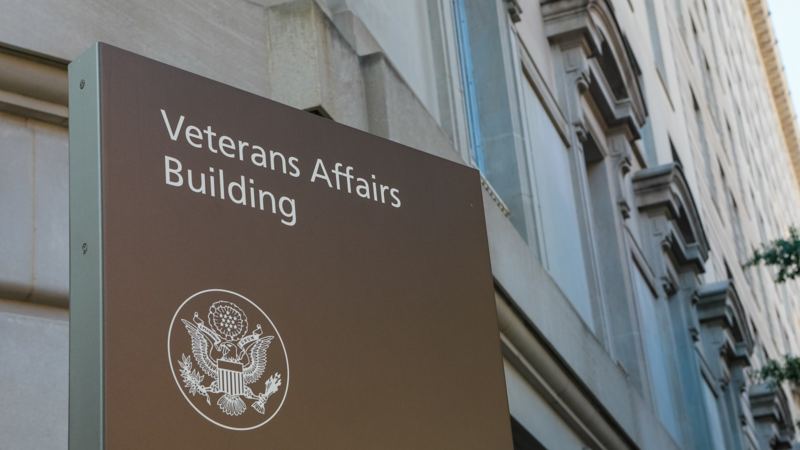
A coalition of around 35 national veterans organizations, including the American Legion, Disabled American Veterans, Veterans of Foreign Wars, and Iraq and Afghanistan Veterans of America, is pressing Congress to pass the Written Informed Consent Act. The groups sent a letter last month to leaders of the House and Senate Veterans’ Affairs Committees urging them to prioritize legislation requiring the Department of Veterans Affairs to obtain written, informed consent from patients before prescribing certain psychiatric medications.
Medication Prevalence and Current Protections Gap
Nearly 70 percent of veterans receiving VA care are prescribed psychiatric medications, often for conditions such as post-traumatic stress disorder, according to the Grunt Style Foundation. The proposed legislation would require VA providers to follow informed-consent protocols for psychiatric medications similar to those already mandated for opioid painkillers, which are similarly known for addiction risks and serious side effects. Currently, psychiatric prescriptions may be accompanied only by verbal disclosures or limited written information.
Proposed Requirements and Ongoing Debate
The Written Informed Consent Act would require VA providers to use standardized written consent forms outlining potential adverse effects for antidepressants, anti-anxiety medications, antipsychotics, stimulants, and other psychiatric drugs, including disclosures about risks such as suicidal thoughts and behaviors. Veterans or their caregivers would receive written summaries detailing risks, benefits, and alternative treatment options. The House version has 19 co-sponsors, including Democratic Representative Don Davis of North Carolina and Republican Representative Tom Barrett of Michigan, both veterans. Republican Representative Gus Bilirakis of Florida, leading the effort in the House, stated: “Our veterans deserve nothing less than complete transparency when it comes to their health and the medications they’re prescribed.” However, some observers worry the requirement could discourage veterans from accepting needed medications; a retired Army colonel noted that documented refusals would enter medical charts, raising concerns about untreated mental health problems potentially leading to suicide.
This article is an AI-assisted summary. All facts and figures are drawn from the original report: https://www.newsweek.com/renewed-push-in-veteran-bill-that-would-change-medication-information-11921178