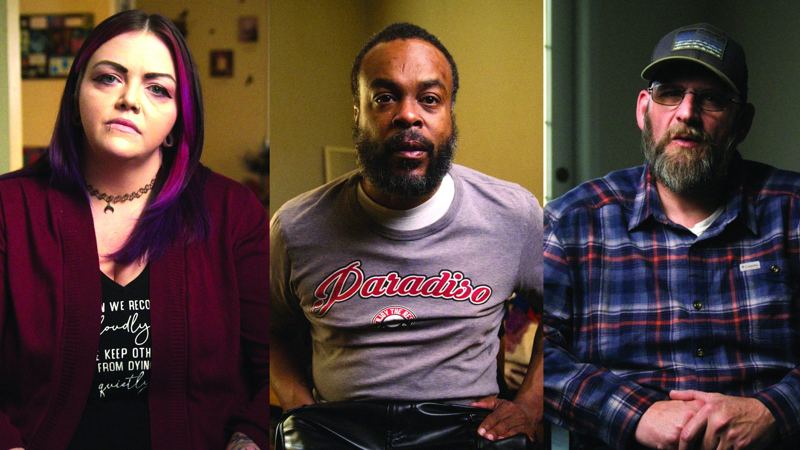
Mental health courts across Illinois offer an alternative to incarceration for people with mental illness, diverting participants into community-based supervision and treatment rather than prison. More than 6,000 people have participated in mental health courts across Illinois over the past two decades, though this represents a tiny percentage of the more than 200,000 criminal cases filed annually.
Outcomes and Participation
Mental health courts typically last one to two years and require regular court appearances, counseling, and random drug tests. The system uses sanctions and rewards—including praise, gift cards, jail time, and writing assignments—to incentivize compliance. Since 2017, 860 people have graduated from mental health courts in Illinois, while 763 have failed to complete the programs, slightly lower than the 57% graduation rate found in one recent nationwide study. Among Kane County applicants between 2020 and 2024, 81% of applications were rejected, and of those accepted, 59% successfully completed the program.
According to the Administrative Office of the Illinois Courts, participants benefit from “help that they need at a much more intense rate than they may if they were just on regular probation or they were incarcerated.” Court staff work in multidisciplinary teams including judges, prosecutors, defense attorneys, probation officers, treatment providers, peer support specialists, and case managers.
Access and Barriers
Access to mental health courts remains limited geographically. The state has certified 31 mental health courts in Illinois, but nearly two million people—nearly 15% of the state’s population—live in counties with no mental health courts. Champaign County, the most populous county without a program, previously operated a mental health court but closed it in 2013 due to disagreements between the state’s attorney and the judge.
Major barriers to success include lack of transportation, work conflicts, physical and mental health symptoms, lack of child care, and housing instability. A 2022 independent review of Will County’s programs found that 39% of participants reported being homeless at some point during the program. Participants often face challenges accessing inpatient treatment, which can cost $30,000 for a 21-day program.
Funding and Impact
Mental health courts are funded through a combination of federal, state, and local grants, with most receiving funding from Adult Redeploy Illinois. Last fiscal year, Adult Redeploy’s approximately 60 diversion programs served nearly 3,000 people statewide, with an estimated cost of just over $4,000 per participant compared to nearly $53,000 for annual incarceration. Since 2009, nearly two-thirds of all participants have stayed out of prison, diverting more than 11,000 people at a total savings of $485 million in incarceration costs.
This article is an AI-assisted summary. All facts and figures are drawn from the original report: https://www.illinoistimes.com/news/prison-or-treatment/