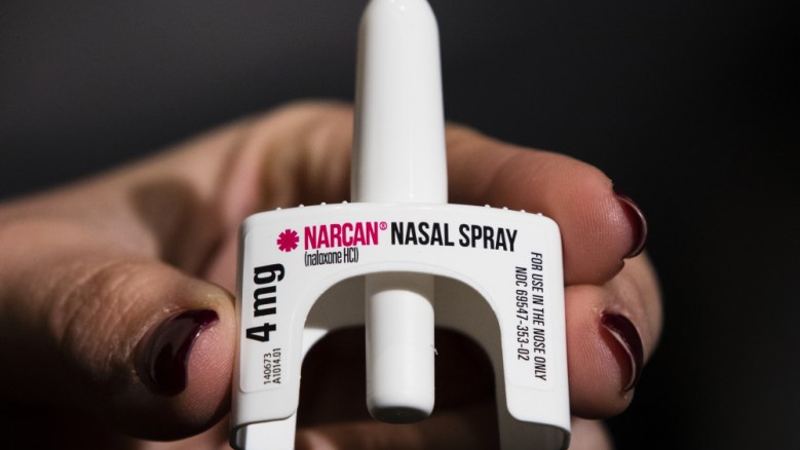
Naloxone is less effective in cases where fentanyl has been mixed with nonopioid drugs. Naloxone, commonly sold as the nasal spray Narcan, works by reversing the effects of opioids, including fentanyl and heroin, but does not reverse the effects of other drugs such as stimulants and nonopioid sedatives.
The federal Substance Abuse and Mental Health Services Administration says naloxone can reverse the opioid part of an overdose, but it does not treat the effects of drugs such as benzodiazepines, cocaine or amphetamines. The same applies to xylazine and medetomidine, nonopioid sedatives sometimes found in illicit drugs.
The U.S. Centers for Disease Control and Prevention says naloxone should still be given in any suspected overdose. However, it will not reverse the effects of nonopioid drugs that may be present in the mixture. Portland police warned the community on April 26 after seven suspected overdoses in less than 20 hours occurred, urging people to call 911 and administer naloxone despite its limitations.
Understanding naloxone’s scope is important for first responders and the public. While it can be life-saving for opioid overdoses, its inability to address other drugs in toxic mixtures means that professional emergency medical help remains critical, and multiple doses or additional medical interventions may be necessary when mixed-drug overdoses are suspected.
This article is an AI-assisted summary. All facts and figures are drawn from the original report: https://www.centralmaine.com/2026/05/06/is-naloxone-less-effective-when-fentanyl-is-mixed-with-nonopioid-drugs/