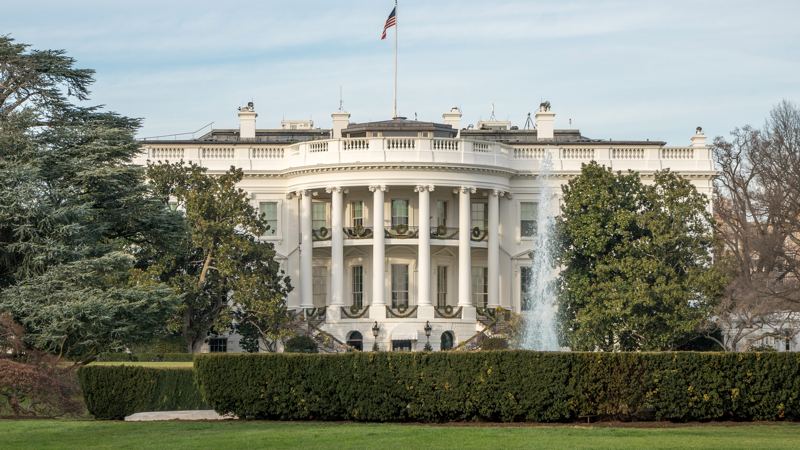
The White House released a sweeping 195-page National Drug Control Strategy advocating for making access to treatment easier than getting drugs, preventing young people from developing addictions, increasing support for recovery, and reducing overdose deaths. While these broad goals are widely supported by public health researchers and addiction treatment clinicians, experts say accomplishing them will be difficult amid the administration’s mass layoffs of federal employees, cancellation of research and community grants, and cuts to Medicaid.
The strategy emphasizes law enforcement efforts to reduce the supply of illicit drugs and touts increased enforcement at U.S. borders. The document also outlines plans to implement artificial intelligence technologies to screen for illicit drugs and wastewater testing to detect illegal drug use nationwide. The second half focuses on reducing demand for drugs through prevention efforts, addiction treatment, and support for people in recovery.
However, according to national data, more than 80% of Americans who need substance use treatment do not receive it. Medicaid is the main source of health care coverage for adults with opioid use disorder, yet Medicaid work requirements in Trump’s One Big Beautiful Bill Act are projected to strip coverage from about 1.6 million people with substance use disorders. One analysis estimated the upcoming Medicaid changes could lead 156,000 people to lose access to medications for opioid use disorder and result in more than 1,000 additional fatal overdoses per year.
The strategy’s discussion of marijuana points to cannabis use as a driver of increasing drug use disorders, citing “convergent evidence” that cannabis use increases the risk of psychosis. However, two weeks before the strategy’s release, the White House moved to reclassify medical marijuana to a lower tier. The strategy also notes that rapid test strips detecting fentanyl are “an important tool,” yet SAMHSA announced it would no longer pay for test strips as part of a “clear shift away from harm reduction.”
This article is an AI-assisted summary. All facts and figures are drawn from the original report: https://kffhealthnews.org/public-health/trump-national-drug-control-strategy-addiction-treatment-funding-cuts/