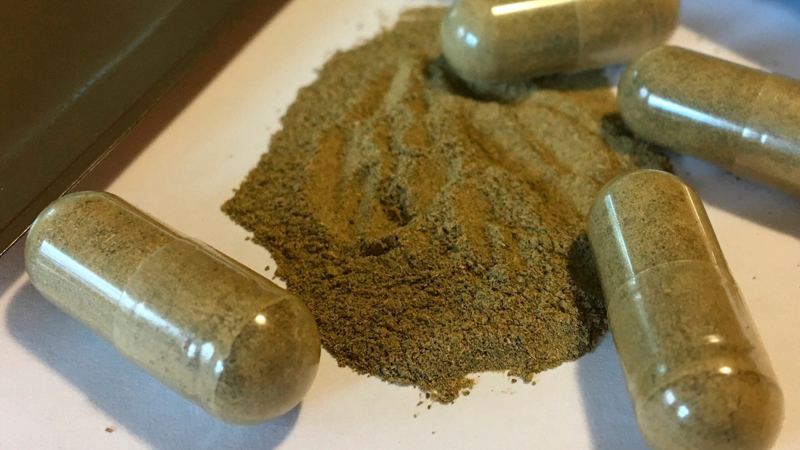
Addiction clinicians across the country are developing treatment protocols for kratom and its synthetic derivatives, particularly 7-OH, as use of these substances increases. According to the Centers for Disease Control and Prevention, kratom-related poison control calls were about 13 times higher in 2025 than in 2015, with experts speculating that many of those calls are driven by 7-OH. While estimates for kratom use range from over a million to as many as 20 million people nationally, the FDA notes that 7-OH is too new for reliable estimates.
Marketed as herbal supplements, both substances function like opioids in the body. Corneliu Stanciu, an assistant professor of psychiatry at Dartmouth’s Geisel School of Medicine who has studied these substances for over a decade, explains that in toxic quantities, kratom acts as a stimulant causing seizures and high blood pressure. However, with 7-OH and mitragynine pseudoindoxyl—another synthetic derivative even stronger than 7-OH—toxicity resembles an opioid overdose, causing respiratory depression and potentially death. The issue is complicated by a lack of standardized lab testing; tests may detect mitragynine but not other alkaloids like 7-OH, making it difficult to determine whether deaths are kratom-related or polysubstance-related.
Clinicians have noticed growing numbers of patients seeking treatment for kratom and 7-OH addiction, particularly in the past six months. According to Jonathan Paolini, director of medical operations at Crossroads Treatment Centers, withdrawal symptoms are very similar to opioid withdrawal. Jeanmarie Perrone, director of the Penn Center for Addiction Medicine and Policy, notes that some people use these products to manage pain or to get off opioids, but they can lead back to opioid addiction. Additionally, products on the market mix kratom with other substances like kava, raising concerns about liver toxicity.
Treatment options include methadone and buprenorphine to prevent withdrawal and reduce cravings, as well as naltrexone, which requires patients to have been off opioids for at least a week. Long-acting buprenorphine products like Sublocade and Brixadi are often preferred because they maintain a steady medication state and require less frequent dosing. However, “kratom use disorder” is not yet an official diagnosis, which complicates insurance coverage for inpatient rehabilitation. Treatment typically begins by addressing the underlying reasons for use, moving through a withdrawal period, and potentially continuing maintenance treatment tailored to each patient’s needs and preferences.
This article is an AI-assisted summary. All facts and figures are drawn from the original report: https://whyy.org/articles/kratom-7-oh-addiction-treatment/