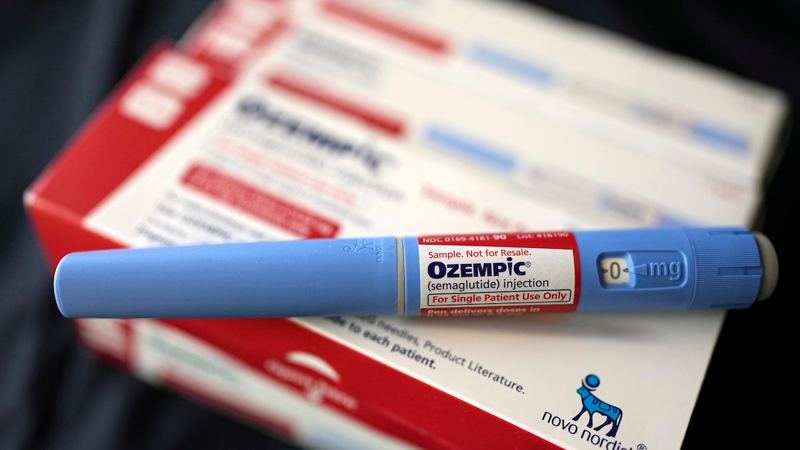
Pediatricians at Children’s Hospital of Philadelphia are increasingly using GLP-1 (glucagon-like peptide-1 receptor agonist) medications to treat childhood obesity, but research shows cost and insurance coverage remain major barriers to sustained treatment. According to Dr. Rachana Shah, a pediatric endocrinologist at CHOP’s Health and Well-being Clinic, early intervention is critical because pediatric obesity predicts obesity in adulthood and can lead to metabolic and organ system diseases.
GLP-1 medications were approved for childhood obesity by the FDA in 2020 for daily injections, with weekly injection options approved in 2022. The American Academy of Pediatrics updated its guidelines in 2023 to recommend offering medication as well as bariatric surgery earlier as treatment options alongside lifestyle changes. However, CHOP researchers found that only about 20% of children between 12 and 17 years old who were eligible for medication intervention had been given a prescription.
A study by CHOP researchers, recently published in the journal Pediatrics, examined prescribing trends and found that 60% of kids and teens with a GLP-1 prescription experienced some interruption to medication treatment, with cost or lack of insurance coverage being the most common reason. Disparities in prescribing were also noted—patients who received medication tended to be older teens, girls, English-preferred speakers, and those with higher BMI scores and existing complications like elevated cholesterol and blood sugar levels. While roughly 40% of children in Philadelphia are overweight or obese, only a fraction access specialty weight management clinics where most GLP-1 prescriptions are issued.
Dr. Emily Gregory, a primary care physician and researcher at CHOP, cautioned that the rollout of these medications could reinforce inequities in access to care. Beyond cost, barriers include hesitancy about long-term safety data—which doesn’t yet exist for pediatric use—and patient reluctance about lifetime medication or self-injection. Gregory suggested expanding GLP-1 prescribing in primary care offices could increase access more broadly, though significant work remains to reduce barriers and deliver treatment safely and cost-effectively.
This article is an AI-assisted summary. All facts and figures are drawn from the original report: https://whyy.org/articles/glp-1-drugs-childhood-obesity-cost/