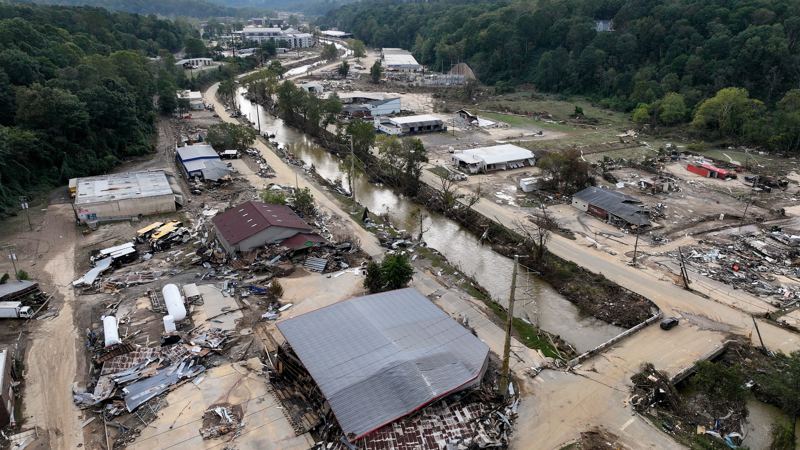
When Hurricane Helene ripped through western North Carolina in late September 2024, residents faced not only infrastructure damage but an urgent public health crisis for those in recovery from opioid addiction. People dependent on buprenorphine (Suboxone) and methadone found themselves unable to access their medications as clinics and pharmacies closed, power and communications failed, and strict regulatory systems left no room for emergency flexibility.
A group of physicians working in addiction medicine has published an American Journal of Public Health editorial urging federal lawmakers to address this vulnerability. According to their research, one study estimated that after Superstorm Sandy in 2012, 70% of New Yorkers who relied on recovery medications couldn’t get enough of them. Following Hurricane Maria in Puerto Rico in 2017, overdose reports increased. The Tubbs and Camp fires in Northern California caused substantial disruptions in patients’ access to opioid addiction medications. These examples underscore how climate-related disasters—and projected increases in severe weather due to climate change—pose direct threats to people managing opioid use disorder.
The barriers extend beyond storm damage. Methadone can only be obtained through in-person visits to federally controlled treatment centers, many of which closed for days or weeks. Buprenorphine is restricted by the Drug Enforcement Administration’s suspicious orders reporting system, which blocked supply increases at pharmacies even during the emergency. Individual pharmacies also resisted filling prescriptions for unfamiliar patients, sometimes limiting refills to three days despite the disaster. One patient traveled from North Carolina to Georgia to pay $130 out-of-pocket for a month’s supply after losing her job when her workplace lost power.
The editorial recommends that the federal government coordinate with pharmacies to allow emergency take-home supplies, establish registries for patients crossing state lines, and integrate medication access into disaster response plans. The underlying crisis is that people with substance use disorders already navigate complex regulations; when natural disasters eliminate normal access routes, those challenges become “insurmountable,” according to one co-author. Since 1999, opioid use disorder has killed more than 800,000 people in the U.S.—a number that could grow without emergency response improvements.
This article is an AI-assisted summary. All facts and figures are drawn from the original report: https://kffhealthnews.org/public-health/substance-use-disorder-treatment-natural-disasters-opioid-suboxone-emergency-supply/