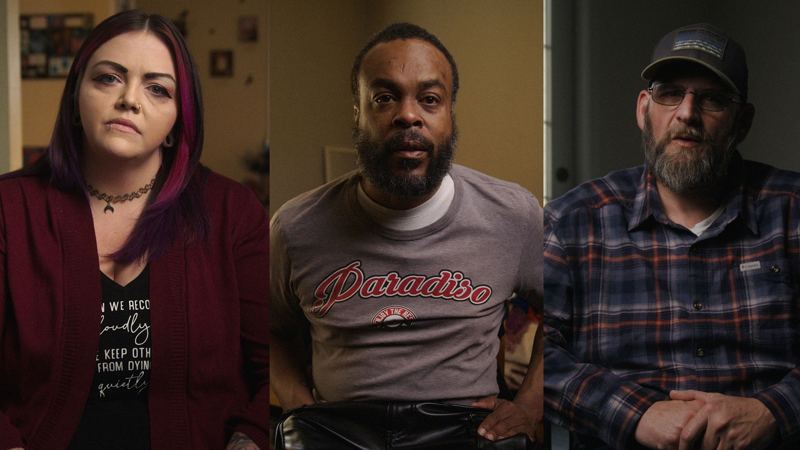
Mental health courts in Illinois are diverting thousands of people with mental illness from the criminal justice system into treatment, though access remains limited and graduation rates are mixed. Over more than 20 years, more than 6,000 people have participated in a mental health court in Illinois, though the true total is likely higher due to lost early data. Programs typically last one to two years and require regular court appearances, counseling, and random drug tests.
Success Rates and Barriers
Since 2017, 860 people have graduated, and 763 have failed to do so—a slightly lower graduation rate than one recent nationwide study of mental health courts, which found 57% of people discharged from a program graduated. Graduation rates vary widely across the state. In Kane County, 81% of applications were rejected, highlighting the narrow population found eligible for mental health court. Of those accepted, 59% successfully completed the program, while half of those who didn’t complete were sent to a facility run by the state prison system.
Access to housing, transportation, and inpatient treatment are major barriers. Most participants rely heavily on state and federal benefits such as Medicaid. A 21-day inpatient program could cost $30,000, making it unaffordable for indigent or homeless participants. A 2022 independent review of Will County’s problem-solving courts found that participants cited work conflicts, lack of transportation, physical and mental health symptoms, lack of child care, and drug or alcohol use issues as barriers.
Geographic Disparities
Nearly two million people in Illinois—nearly 15% of the state’s population—live in counties with no mental health courts. These counties tend to be more rural and have a median income 19% lower than counties with mental health courts. Champaign County, the most populous county in the state without a mental health court, had one in five residents report having a mental illness in 2019—the highest percentage of any region in Illinois. The county previously operated a mental health court but shut down in 2013 due to disagreements between officials.
Cost Savings and Funding
Adult Redeploy Illinois, an initiative established in 2009 to incentivize diversion, is now a $13 million initiative. The average cost of an intervention was a little over $4,000 per participant last year, compared to an average incarceration cost of nearly $53,000 per person annually. Adult Redeploy estimates its programs saved the state $83 million last fiscal year and have saved taxpayers almost half a billion dollars in avoided prison costs over 15 years. More than half of mental health courts in the state receive funding from Adult Redeploy Illinois, while others are funded through federal and local grants.
This article is an AI-assisted summary. All facts and figures are drawn from the original report: https://capitolnewsillinois.com/news/prison-or-treatment-thousands-participate-in-mental-health-courts-half-graduate-and-millions-are-left-out/