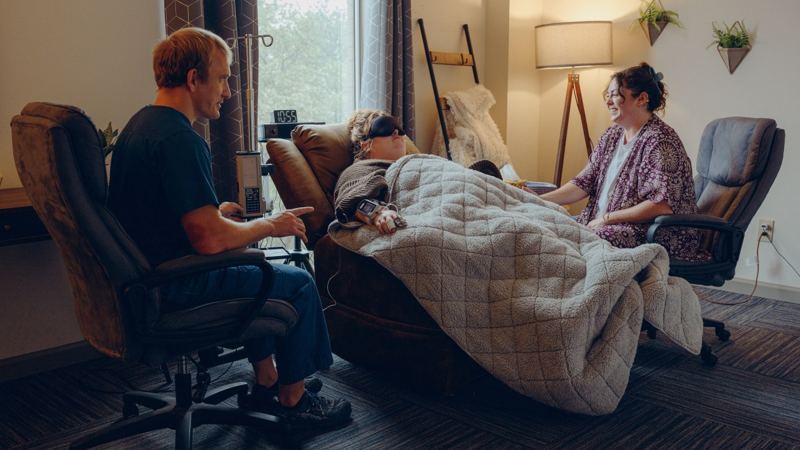
The Texas Medical Board is proposing tighter regulations around ketamine, a popular fast-acting sedative used to treat mental illness. The revised rules are expected to publish May 8, with the Texas Medical Board scheduled to vote on the changes in June. The proposed regulations include more physician oversight during administration of the drug and would ban in-home use of it.
Growing Safety Concerns
Ketamine poisonings are at their highest point in recent history, according to the most recent medical report examining data from poison centers across the country, more than doubling since 2019 to 414 in 2023. Data provided by the Texas Poison Center Network confirms a steady increase in ketamine-related calls beginning in 2020, from 15 to 40 calls in 2024. Of the 167 cumulative ketamine-related calls to poison centers from 2020 to 2025, two resulted in death, and 75 reported moderate effects. Ketamine’s role in the death of actor Matthew Perry has increased the drug’s visibility, including its dangers.
One of the most common ways people access ketamine is through telehealth prescriptions, which allows them to take it at home while a medical professional monitors them online. Medical spas, which often do not have the stringent regulations of a medical clinic, also administer the highly addictive sedative. Rep. Tom Oliverson, R-Cypress, an anesthesiologist and former medical board member, stated that “Ketamine, unlike opioids, cannot be counteracted by other medications like Narcan, therefore, it can be dangerous if a patient accidentally moves into moderate or deep sedation from ketamine.”
Proposed Regulatory Framework
The proposed rules, first released in January, include a requirement that if a physician is not on site, medical staff can’t administer ketamine to more than two patients at a time. The rules also prohibit ketamine treatments outside of a registered clinic, including in-home use, and require health providers to complete training on mental health treatment before being allowed to administer ketamine.
Industry leaders criticized the proposal, saying that forcing them to hire an on-site physician or see fewer patients will severely limit the number of people they can serve and will raise the price of treatment by $300 to $500. Advanced-practice registered nurses and certified registered nurse anesthetists say requiring a physician to oversee them is unnecessary because they know the same life-saving measures that medical doctors do.
Access Concerns
Mental health providers say a lot of ketamine clients are low-income and highly suicidal and can’t afford the cost of these new rules. If at-home use is banned, rural users will be affected the most because the statewide physician shortage is worse in rural communities and many patients rely on in-home use. Leonardo Vando, the medical director of Mindbloom, a large telehealth program, stated that most of their Texas patients choose at-home treatment “because we are their only option within a span of two hours.”
This article is an AI-assisted summary. All facts and figures are drawn from the original report: https://www.texastribune.org/2026/04/28/texas-ketamine-regulations-medical-board/