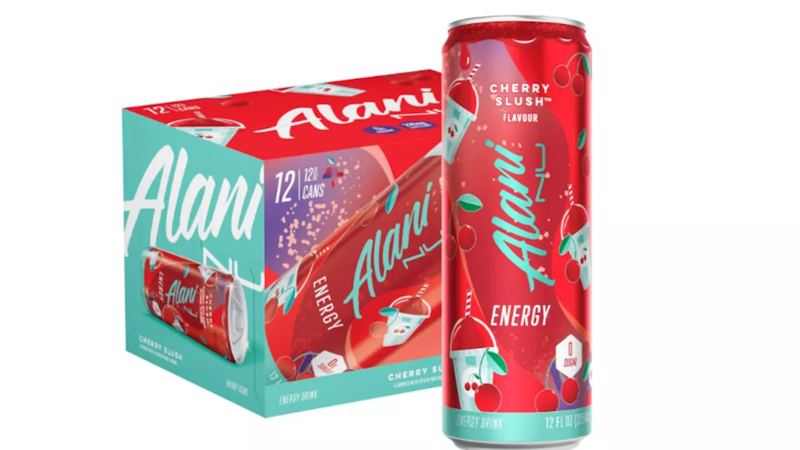
Alani Nu energy drinks, which contain 200 milligrams of caffeine per full-sized can, have come under scrutiny following the April 2026 death of a Texas 17-year-old whose death the medical examiner attributed to “an enlarged heart due to stress and large amounts of caffeine.” According to a lawyer for the family, the teenager drank at least one can of Alani Nu per day the year before her death.
Product Ingredients and Claims
Alani Nu, founded in 2018 by fitness trainer Katy Hearn and her husband Haydn Schneider, positions itself as a “wellness and fitness” brand. The brand was acquired by Celsius Inc. for $1.8 billion in a deal praised as acquiring a “female-focused brand that delivers functional beverages and wellness products.” One can of the energy drink contains 200 milligrams of caffeine, with mini-cans containing 100 milligrams and powdered energy sticks delivering 200 milligrams.
Ingredients include carbonated water, citric acid, taurine, sodium citrate, sucralose, L-theanine, panax ginseng root extract, guarana seed extract, caffeine, and B vitamins. The drink also contains adaptogens—plants that may help manage physical and mental stress—though registered dietitian evidence shows these “have plausible, modest benefits for alertness and energy in adults, but evidence for meaningful long-term health benefits is limited, especially at the doses in a single can.”
Safety Concerns and Recommendations
The FDA’s recommended daily caffeine limit is 400 milligrams. One can of Alani Nu contains about half this amount, though a dietitian notes that while the serving size fits within federally recommended levels, daily consumption might not be safe for some people. The company’s website specifies that “daily caffeine consumption should be limited to approximately 400mg per day from all sources.”
Alani Nu recommends that children, those with caffeine sensitivity, pregnant people and those nursing avoid the product. America’s Poison Centers found a 24.2% increase in energy-drink-related calls for children between 2022-2023, with the largest spike among those aged 6-12. According to the CDC, approximately 11.6% of schools sell energy drinks in vending machines and snack bars, despite about 75% lacking policies restricting caffeinated drink sales.
Celsius Inc. stated it does not recommend Alani Nu for children nor market to anyone under 18, adding that “we take product safety seriously and believe consumers should have clear information about what they are drinking.”
This article is an AI-assisted summary. All facts and figures are drawn from the original report: https://us.headtopics.com/news/is-alani-nu-healthy-a-dietitian-weighs-in-on-caffeine-83628632