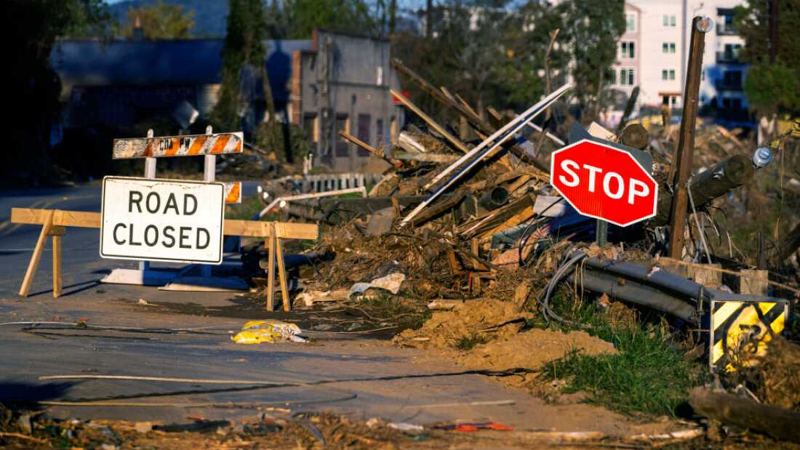
Natural disasters create severe disruptions for people in recovery from opioid addiction, threatening access to medication and triggering relapses. After Hurricane Helene ripped through western North Carolina in late September 2024, Toni Brewer found herself with only three days’ worth of Suboxone, a buprenorphine medication that eases opioid cravings. Desperate to maintain her 18-month recovery, she traveled multiple hours to neighboring states to obtain her prescription, eventually paying out-of-pocket when in-state pharmacies ran out.
Historical Patterns and Rising Concerns
Researchers have documented this pattern repeatedly during major disasters. One study estimated that after Superstorm Sandy in 2012, 70% of New Yorkers who relied on recovery medications couldn’t get enough of them. In the two years following Hurricane Maria’s devastation in Puerto Rico in 2017, overdose reports increased. The Tubbs and Camp fires in Northern California caused substantial disruptions in patients’ access to opioid addiction medications, according to a study published in 2022.
Four physicians working in addiction medicine published an American Journal of Public Health editorial outlining strategies for getting medication to people in recovery during natural disasters. The authors noted that climate change threatens to cause an increased number of disasters in the U.S., and urged state and federal governments to act soon or risk allowing more disasters to aggravate overdoses, relapses, and deaths caused by opioid use disorder, an ongoing epidemic that has killed more than 800,000 in the U.S. since 1999.
Regulatory Barriers During Emergencies
People with substance use disorders face strict regulations even under normal circumstances. Methadone can be obtained only through in-person visits to federally controlled opioid treatment centers, many of which closed for days or weeks after Hurricane Helene. Buprenorphine is controlled by the Drug Enforcement Administration’s suspicious orders report system, which restricts supply when pharmacies order more than allowed under specified thresholds. Numerous times in the aftermath of Helene, this system delayed medications. Individual pharmacies also control who gets medication and how much: some provided only three days’ worth to unfamiliar patients despite the disaster context.
Recommended Policy Changes
The editorial authors recommend that the federal government work with pharmacies to allow patients to take home more medication during emergencies. They suggest keeping a registry of patients with recovery medication prescriptions who can get treatment when evacuating across state lines, and factoring the need for such medications into disaster response plans, whether that means stocking rescue vehicles with buprenorphine, adding backup generators to opioid treatment clinics, or training volunteer responders.
This article is an AI-assisted summary. All facts and figures are drawn from the original report: https://www.npr.org/2026/04/28/nx-s1-5801463/natural-disasters-medication-access-opioid-addiction