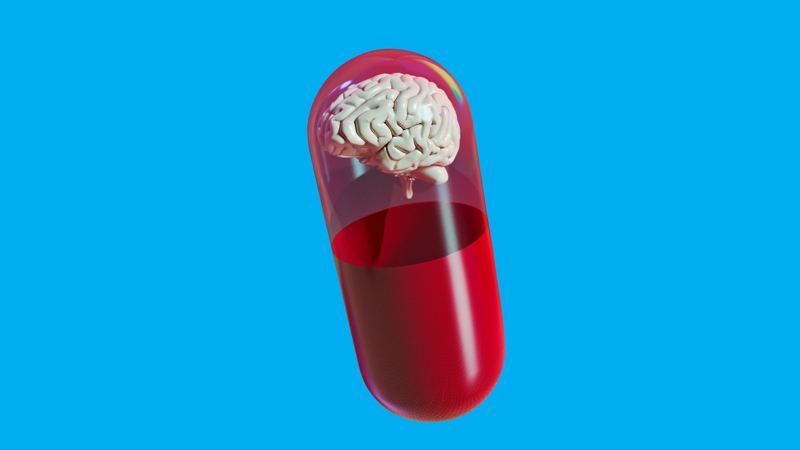
While many supplements claim to boost brain health, scientific evidence supports only a handful of them. According to psychiatrist Gary Small, MD, behavioral health physician-in-chief at Hackensack Meridian Health, the key is examining a supplement’s active ingredient and reviewing the research behind it.
Among the most promising brain-boosting supplements are omega-3 fatty acids, curcumin, phosphatidylserine, creatine, and L-theanine. Omega-3s found in fatty fish—DHA and EPA—may help protect the brain from inflammation with age, and large doses have helped improve attention, memory, and learning in people with minor cognitive impairment. Curcumin, found in turmeric, substantially improved working memory and moderately improved brain processing speed in one study review. Phosphatidylserine, a fat in brain cell membranes, helped adults with mild cognitive impairment improve their short-term memory compared to those who took a placebo. L-theanine, an amino acid from tea leaves, showed benefits for sleep-deprived people and has limited evidence for relieving anxiety and ADHD symptoms when used alongside medication. Creatine improved memory in a meta-analysis, likely by increasing phosphocreatine levels that supply energy to brain cells.
Several other supplements show mixed or debatable results. Magnesium may reduce brain inflammation in animal studies, while taurine improved focus in one study but is typically paired with caffeine, making its independent effects unclear. Ginkgo biloba showed promise in early studies but larger studies have produced mixed results, along with side effects including headaches and dizziness.
Some supplements lack adequate evidence or have been discredited. Apoaequorin, the active ingredient in Prevagen, was found to be no better than placebo by clinical trials, and the Federal Trade Commission ruled in 2024 that the company can no longer claim memory improvements. Vitamin E at high doses shows weak evidence and increases bleeding risk. Lion’s mane and cordyceps demonstrated benefits only in animal studies, not humans.
This article is an AI-assisted summary. All facts and figures are drawn from the original report: https://www.menshealth.com/health/a71001376/brain-boosting-cognition-supplements-nootropics/