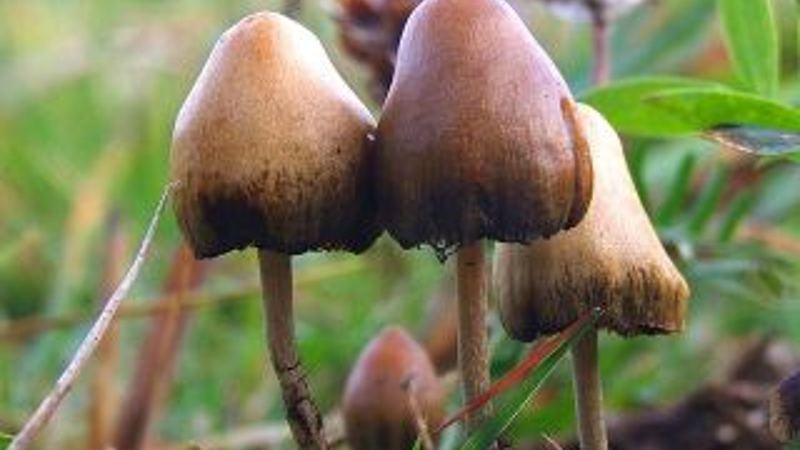
Psilocybin, the active compound in psilocybe mushrooms, is being explored as a treatment for difficult-to-treat psychiatric disorders including obsessive-compulsive disorder (OCD), post-traumatic stress disorder (PTSD), and major depression. Indigenous cultures across Mexico and Central America have used these fungi in healing ceremonies for centuries, and modern research is now investigating their clinical potential.
How Psilocybin Affects the Brain
After ingestion, psilocybin is converted to psilocin in the body and attaches to serotonin receptors, particularly the 5-HT2A receptor found throughout the cortex and limbic system. This produces alterations in perceptions, thoughts, awareness of time, and sense of self. According to the source text, psilocybin also disrupts the self-reinforcing patterns of neural connectivity underlying many psychiatric disorders by temporarily “resetting” the Default Mode Network (DMN)—a collection of brain regions involved in rumination, self-focused thinking, and habitual mental patterns that is often overactive and inflexible in OCD, PTSD, and depression.
Clinical Trial Findings
In March 2026, Dr. Francisco Moreno and colleagues at the University of Arizona College of Medicine published a randomized clinical trial evaluating repeated doses of psilocybin for OCD. The results showed that 73.3% of participants in the psilocybin groups met criteria for treatment response, defined as a 35% or greater reduction in Yale-Brown Obsessive Compulsive Scale scores, with 40% achieving full remission. These benefits persisted at six-month follow-up, and no serious adverse events occurred.
A 2025 Phase 2 trial evaluated a single 25 mg dose of synthetic psilocybin in 22 patients with PTSD in the U.S. and the U.K., producing rapid and persisting improvements in PTSD symptoms for twelve weeks. The FDA has granted psilocybin “Breakthrough Therapy” designation for both treatment-resistant depression and major depressive disorder. On April 18, 2026, President Trump signed an Executive Order accelerating exploration of psychedelic medicines and providing $50 million in funding for this research.
Challenges Ahead
Despite growing evidence, significant obstacles remain before psilocybin receives FDA approval as a prescription medicine, including the need for specialized clinical settings, extensive patient screening, and multi-hour supervised dosing sessions. Most trials to date have involved small samples, and long-term safety of repeated use in clinical populations requires larger, longer trials.
This article is an AI-assisted summary. All facts and figures are drawn from the original report: https://www.psychologytoday.com/us/blog/the-leading-edge/202604/magic-mushrooms-and-the-treatment-of-mental-illness