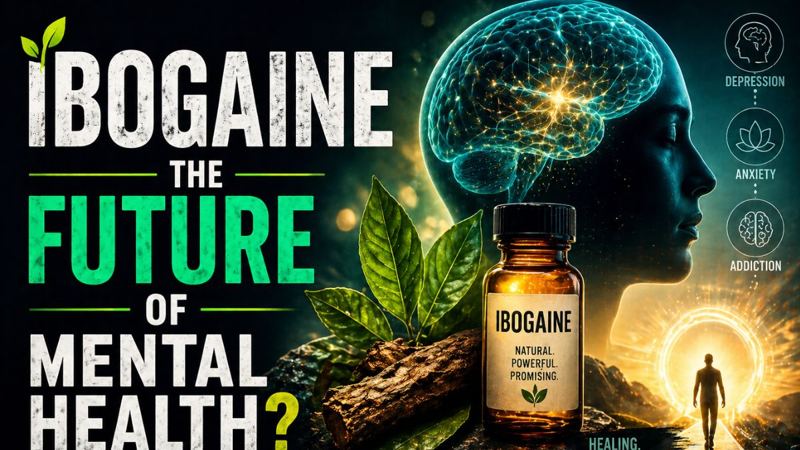
President Donald Trump has signed an executive order accelerating research and access to psychedelic therapies, with ibogaine — a powerful psychoactive compound derived from an African plant root — emerging at the center of the debate. Ibogaine is extracted from the root bark of Tabernanthe iboga, a shrub native to Central Africa, which has been used by indigenous communities in Gabon for centuries in spiritual ceremonies.
Why Ibogaine?
Ibogaine is the only substance named explicitly in the executive order’s text, though the order covers a broad range of psychedelic therapies including psilocybin and MDMA. Advocates say this reflects growing urgency around opioid addiction and veteran mental health. A significant number of military veterans have already travelled to Mexico, where ibogaine is unregulated, to seek treatment after conventional therapies failed. Some advocacy groups have quietly funded these overseas trips.
FDA Status and Future Approval
Ibogaine remains a Schedule I controlled substance under U.S. law, with the Drug Enforcement Administration classifying it as having high abuse potential and no accepted medical use. However, ibogaine has received investigational clearance in the United States, allowing human clinical trials to proceed domestically. The FDA is now under pressure to place ibogaine on an accelerated review pathway, with officials indicating decisions could arrive in months rather than years typically required for new drug approvals. Some states have allocated significant funding for clinical research on ibogaine.
Safety Concerns
Ibogaine is not a gentle treatment. Patients describe multi-phase experiences involving vivid hallucinations followed by intense psychological introspection, lasting more than 24 hours. The drug carries real medical risks, including cardiac events and dangerous heart rhythm abnormalities. In rare cases, it has been associated with death. Medical experts stress that its full safety profile remains poorly understood. Even an optimistic regulatory outcome would not mean ibogaine becomes widely accessible — approval would mean tightly supervised administration in clinical settings, likely for specific patient populations with limited alternatives.
This article is an AI-assisted summary. All facts and figures are drawn from the original report: https://sundayguardianlive.com/trending/is-ibogaine-the-future-of-mental-health-treatment-trump-signs-executive-order-on-psychedelic-therapy-why-is-this-the-only-drug-named-explained-186854/