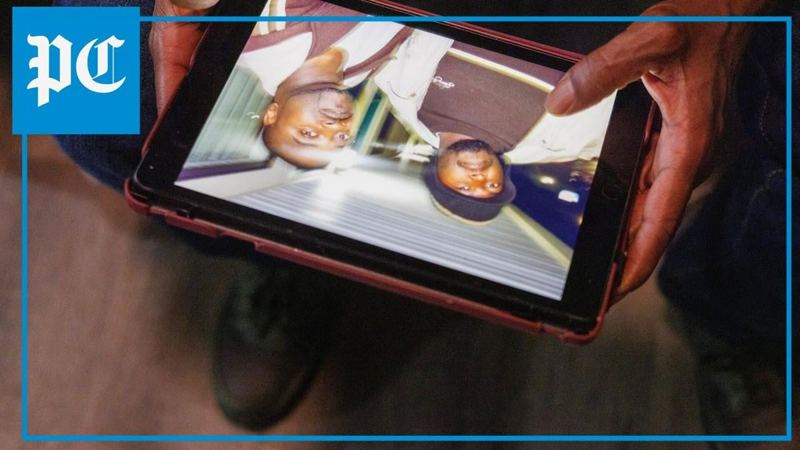
At least 20 people have died in South Carolina county jails over the past decade after their competency to stand trial was questioned, with an even greater number of at least 100 inmates having struggled with mental illness when they died behind bars. That represents more than a third of all jail deaths from that period, with 11 of those deaths occurring in Charleston County’s jail, the state’s largest detention center.
The D’Angelo Brown Case
D’Angelo Brown, a 28-year-old father of two, lay slumped on the floor of his jail cell when deputies found him a few days before Christmas in 2022. Dried vomit caked his face, and excrement streaked the tiny room. He died eight days later from organ failure, though he should have been receiving court-ordered care for his schizophrenia in a state psychiatric hospital. The coroner ultimately determined his death to be a homicide caused by “gross medical neglect.”
Systemic Challenges
Inmates with serious mental illnesses are locked in a perilous waiting game for treatment. Average wait times for competency restoration treatment swelled from about a month in 2019 to eight months as of March, according to a Post and Courier investigation. Charleston County taxpayers have shelled out at least $12 million in settlements and legal expenses in the last decade to compensate families of the dead. Charleston accounted for about half of the more than $25 million paid out across the state in that same period. At least a third of all deaths of people with mental illness in South Carolina jails have resulted in some kind of settlement or taxpayer legal expense.
Why Jails Struggle
About two in five adults in jails have a history of psychiatric issues, according to the National Alliance on Mental Illness. Jails across South Carolina are increasingly being forced into the role of psychiatric hospitals due to a lack of mental health resources in communities. Charleston County spends about $104 a day to house a typical inmate, but it can cost up to three times more to house a mentally ill offender due to increased supervision and medication needs.
This article is an AI-assisted summary. All facts and figures are drawn from the original report: https://www.postandcourier.com/news/special_reports/nav-3/mental-health-crisis-south-carolina-jails/article_6ddb1732-7bd8-40ad-9a8e-ac66ae7d2fe9.html