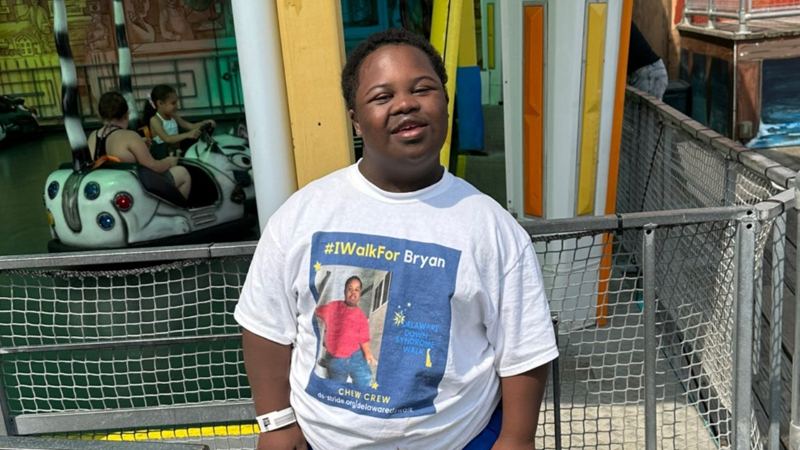
A New Jersey family sought weight-loss surgery for their 15-year-old son with Down syndrome after lifestyle and medication approaches proved insufficient. Bryan had reached just under 200 pounds despite being 4 feet tall. His mother, Sheriese Coy-Armour of Swedesboro, said his weight and lack of energy made walking difficult and limited his options for after-school activities. On July 31, 2024, Bryan underwent sleeve gastrectomy at Nemours Children’s Hospital in Delaware. Within a year and a half, he lost more than 70 pounds.
Childhood obesity has risen dramatically over two decades, with nearly one in four children now considered obese. Despite the evidence that weight-loss surgery is safe and effective for adolescents with severe obesity, less than 1% of eligible patients receive the procedure. Research from the national Teen-LABS study tracked health outcomes among adolescents for 10 years and found that most with severe obesity lost significant amounts of weight after surgery, maintaining lower body mass indexes even into young adulthood. Medication use for Type 2 diabetes and high blood pressure dropped dramatically.
The American Academy of Pediatrics updated its clinical guidelines in 2023 on childhood obesity for the first time in about 15 years, stating that weight-loss medications and surgical procedures should be considered and offered earlier alongside therapy and lifestyle changes for long-term success. The predominant surgical procedure for pediatric patients is sleeve gastrectomy, in which surgeons remove a large portion of the stomach that produces hunger hormones. Dr. Kirk Reichard, pediatric general surgeon at Nemours Children’s Health, explained that adolescents are evaluated for physical, medical, and psychological eligibility. His team identifies when weight gain results from mental health eating disorders rather than metabolic imbalance, and assesses whether children and families can reasonably maintain required diet and lifestyle changes post-surgery.
After Bryan’s surgery, he adjusted quickly, beginning with protein shakes that resembled milkshakes and progressing to healthier foods with increased exercise. Bryan now runs with classmates at practices and meets and takes boxing classes. He primarily relies on his mother for meals, but has learned to recognize foods that cause stomach discomfort and now makes conscious choices about what to eat. Coy-Armour emphasized that “there’s a bigger risk if you don’t do it,” pointing to long-term health consequences of untreated obesity.
This article is an AI-assisted summary. All facts and figures are drawn from the original report: https://whyy.org/articles/weight-loss-surgery-childhood-obesity/