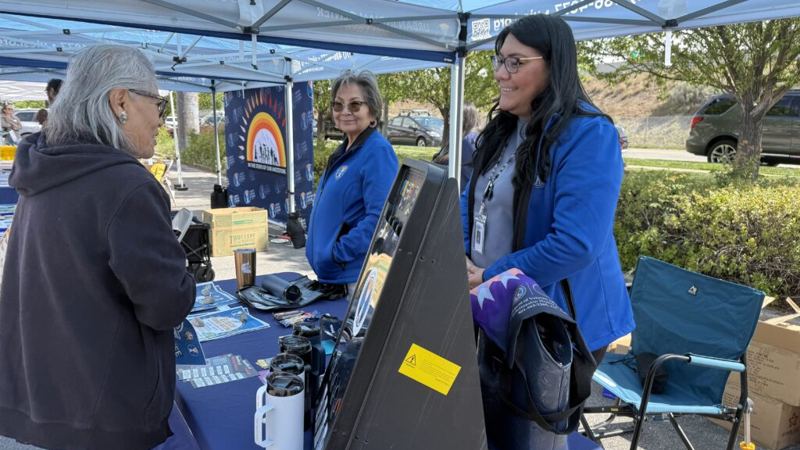
The Urban Indian Center of Salt Lake, a health and wellness institution for Native Americans living off-reservation, has expanded its services and achieved record patient numbers. Historically focused on behavioral and diabetes programs, the clinic now offers a comprehensive range of services including primary and pediatric care, diagnostic imaging, and an in-house pharmacy, in addition to medical referrals, Medicaid application assistance, and transportation support.
The clinic currently serves about 150 people per month, the most patients the center has seen in its history. About 10% to 20% of patients visit for pediatric care, representing a substantial expansion for the facility. Matt Poss, executive director of the center, stated: “Instead of outsourcing services to other partners, which is not a bad thing, we wanted to bring more of that in house and provide that whole person care. So we provide medical services here. We provide behavioral health, we provide family and community services. A lot of social service programs too.”
The center, which will turn 52 years old next July, originally functioned as a walk-in resource center for those far from an Indian Health Service facility. This mission has been strengthened through community feedback. Poss indicated interest in eventually updating the aging facilities to make them larger and better, and consolidating services into a single center instead of the current three locations throughout the Salt Lake Valley.
Beyond healthcare services, the center organizes fitness and community events and conducts outreach to provide health and wellness resources. Anita Teller, the center’s elders services coordinator, organizes two events monthly for the elder community, describing the meetings as “a safe place to meet, because a lot of our urban natives, elderly people, need a place to connect, a place of belonging.” Penelope Pinnecoose, family and community services department manager, oversees youth and family programs with focus on commercial tobacco prevention and anti-vaping programming. She noted that commercial tobacco use is higher in American Indian and Alaska Native groups, attributing this partly to stress and chronic conditions, which may be exacerbated by smoking or substance involvement.
This article is an AI-assisted summary. All facts and figures are drawn from the original report: http://katytimes.com/premium/stories/with-pediatric-expansion-urban-indian-center-of-salt-lake-clinic-breaks-record-number-of-patients,158451