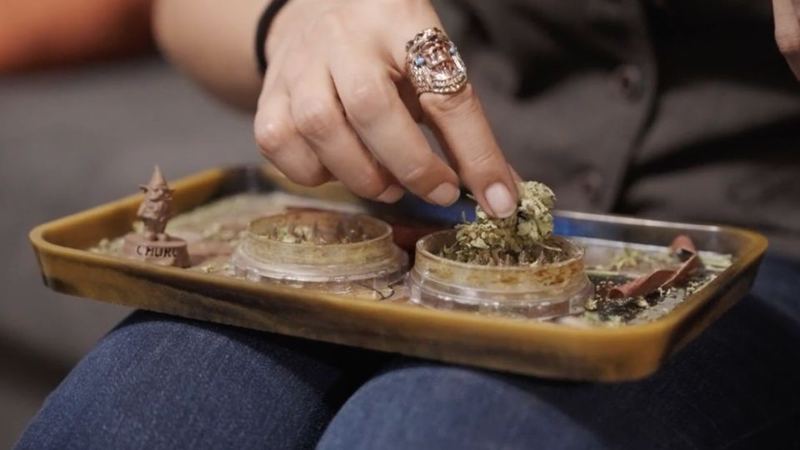
Cannabis has become a lifeline for women who feel unseen by conventional medicine, according to reporting on the eighth installment of a documentary series examining the plant. The reporting found women—including grandmothers managing cancer treatment side effects, athletes dealing with endometriosis, and teachers navigating menopause symptoms—consistently reporting the same story: “I tried everything else, and nothing really worked. Cannabis was the only thing that helped.”
Women now outpace men in cannabis use, especially among middle-age and older adults. This shift reflects a long history of women’s health concerns being minimized, misdiagnosed, or dismissed by conventional medicine. Conditions like autoimmune disease, postpartum depression, and chronic pain syndromes have been chalked up to stress or hysteria. Women remain underrepresented in clinical trials despite biological sex dramatically affecting how medications work. The situation is particularly problematic regarding menopause: hormone replacement therapy once promised relief, but warnings and controversies about potential risks left many women worried. Faced with few good options, many are turning to cannabis.
Oklahoma has emerged as a center of women-led cannabis entrepreneurship. Since medical marijuana was legalized there, women have built businesses guided by scientific data and compassion. The reporting documented women entrepreneurs creating products specifically for other women, studying terpenes and cannabinoid ratios, sharing lab results, and holding each other accountable. This represents what was described as “grass-roots” medicine.
Several major medical organizations have called for a reevaluation of cannabis’ classification as a Schedule I drug, arguing that evidence for its medical use can no longer be ignored. Promising research exists into cannabinoids for neurological conditions, chronic pain, and autoimmune diseases. Dr. Staci Gruber, a pioneer in cannabis research at the Marijuana Investigations for Neuroscientific Discovery, is studying cannabis for endometriosis and menopause-related symptoms. Dr. Hilary Marusak at Wayne State University is examining how cannabis affects the brain across every stage of life.
The reporting emphasizes that cannabis is not a cure-all, but for many women it represents a start—a way to soothe what is broken, to reclaim rest, and to reconnect body and mind. Most importantly, it is “a conversation begun on their own terms,” reflecting what was called a broader social revolution destigmatizing cannabis alongside an intimate one happening in living rooms and small businesses across the country.
This article is an AI-assisted summary. All facts and figures are drawn from the original report: https://www.yahoo.com/news/articles/tried-everything-nothing-worked-now-110055150.html