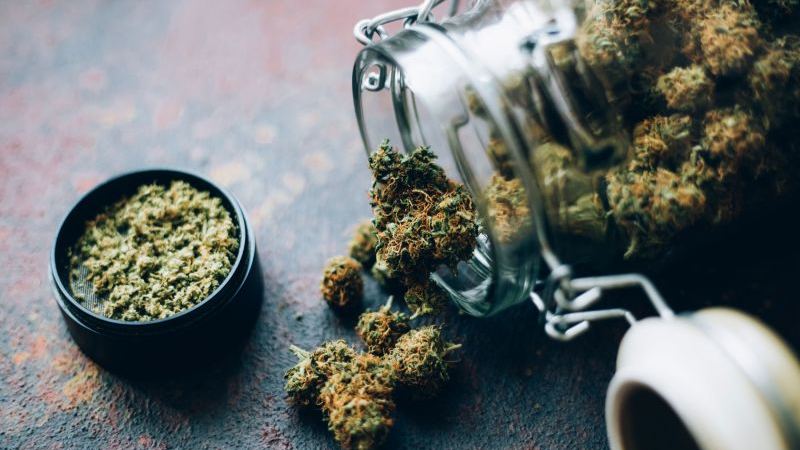
Cannabis potency has increased dramatically over decades, from approximately 4% THC in the 1970s to more than 20% today, with some dispensaries selling cannabis containing 35% THC. Cannabis concentrates, such as wax, rosin, shatter, and hash oil, can have THC levels between 60% and 90%. According to Dr. Deepak Cyril D’Souza, director of the Yale Center for the Science of Cannabis and Cannabinoids, “even for products that are labeled, there’s some concern about the accuracy.”
The increased potency has corresponded with rising health risks. About 3 in 10 people who use today’s potent marijuana develop cannabis use disorder. One in 6 children will become addicted when marijuana use occurs before age 18. The risk of addiction is four times higher when using high-potency cannabis compared with low-potency cannabis, according to a September 2022 review of studies. As potent weed use rises, so do cases of marijuana-associated psychosis—a loss of contact with reality characterized by hearing voices and delusions. The risk of a psychotic disorder rose fourfold when highly potent weed was used daily.
Ironically, doctors often prescribe medical cannabis for anxiety, depression, and post-traumatic stress disorder, yet recent analyses of gold-standard research found medical or recreational marijuana did not help these conditions. Two recent analyses showed weed did not improve anxiety, depression, PTSD, anorexia nervosa, bipolar disorder, or psychotic disorders such as schizophrenia. In individuals at high risk of bipolar or psychotic disorders, marijuana use raises the risk of suicidal thoughts and developing mental health disorders.
Marijuana use during adolescence is particularly concerning, as it can interfere with memory, cognition, and brain growth. Use during this period can “cause permanent IQ loss of as much as 8 points,” according to SAMHSA, and “these IQ points do not come back, even after quitting marijuana.” Heavy marijuana use by teens with mood disorders is linked to increased risk of self-harm, suicide attempts, and death. According to a 2025 national survey, 8% of eighth graders, 16% of 10th graders, and 26% of 12th graders reported marijuana use in the past 12 months.
Frequent users of potent marijuana face additional risks including strokes, heart attacks, cardiac arrhythmias, and heart failure. Regular marijuana users are nearly 25% more likely to need emergency care and hospitalization than nonusers. Weed users who are hospitalized have a 72% greater risk of dementia compared with the general population. Pregnant women using marijuana are putting developing babies at risk: past studies have linked marijuana use during pregnancy to low birth weight, impulsivity, hyperactivity, attention difficulties, and other cognitive and behavioral issues.
This article is an AI-assisted summary. All facts and figures are drawn from the original report: https://www.cnn.com/2026/04/20/health/marijuana-potency-wellness