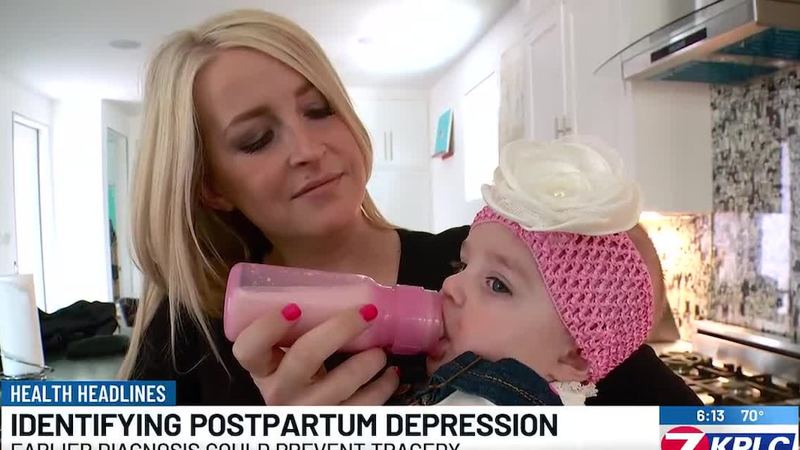
New medications are offering hope to mothers struggling with postpartum depression, which affects about one in eight women in the U.S. within the first year after giving birth.
Research shows mental health problems account for about 23% of maternal deaths in the country. Postpartum depression, which extends far beyond “baby blues,” leaves new mothers extremely sad, exhausted, and sometimes hopeless. Dr. Jennifer Payne, psychiatrist at University of Virginia Health, noted that untreated depression can impair mother-infant interaction: “They’re not stimulating the baby as much, and that can have effects on IQ and language development.” In severe cases, mothers may not be identified as depressed until they become critically ill.
Researchers have identified new screening methods and identified higher-risk populations. Postpartum depression was more common in women younger than 25, first-time mothers, and those who give birth to twins. Simple screening tests can spot depression signs quickly so women can receive prompt treatment.
New Treatment Options
A new class of medications specifically targets postpartum depression. Brexanolone was the first medicine approved specifically for the condition, delivered as an infusion over two and a half days to help rebalance the brain’s calming hormones. In 2023, the FDA approved Zuranolone, which comes as a capsule. Studies show it significantly improves postpartum depression symptoms in more than half of women who take it, often working within days. Zuranolone costs nearly $16,000 for a standard two-week treatment, though some insurance companies cover the cost.
This article is an AI-assisted summary. All facts and figures are drawn from the original report: https://www.kplctv.com/2026/04/16/recent-medications-target-postpartum-depression/