The United Kingdom’s updated women’s health strategy has been published amid widespread concerns that women continue to experience inadequate care and dismissal within the NHS. Health Secretary Wes Streeting acknowledged an “endemic problem” in how the NHS addresses women’s health issues, telling BBC Radio 4’s Woman’s Hour that some women have been made to feel like “second class citizens” with their pain treated “as an inconvenience and their symptoms as an overreaction.” He described a healthcare system with “culture of medical misogyny, sexism in the NHS, both conscious and unconscious bias,” which was “getting disproportionately worse for women.”
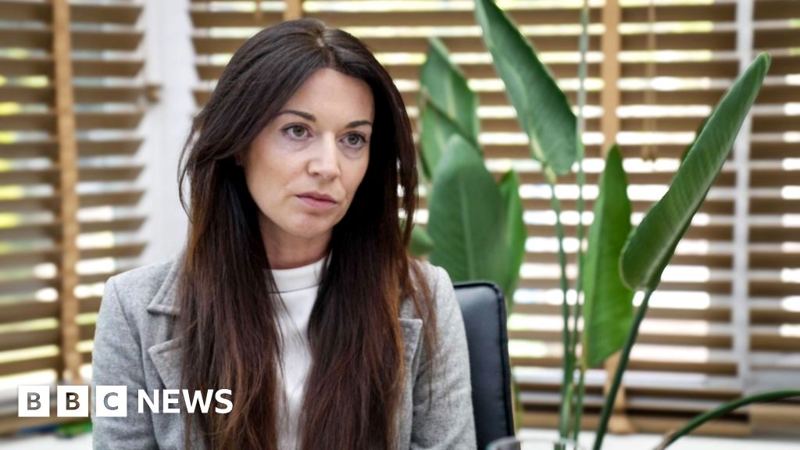
The gynaecological waiting list in England has doubled between February 2020 and January 2026, increasing to more than half a million (565,000) women waiting to start treatment. This represents a much sharper increase than for other planned treatments excluding mental health, which rose by 58%. Endometriosis UK chief executive Emma Cox stated that diagnosis times exceeding nine years for endometriosis are “totally unacceptable.” The original 2022 women’s health strategy promised to “radically improve” how the health and care system engaged with and listened to women and girls, but progress has been limited in some cases. Zoe Trafford, who has had endometriosis since her teenage years, required major surgery including removal of her womb and part of her bowel but continues to face complications and feels unheard by the healthcare system. “I’m being passed from urology to ‘gynae’ back to the GP, and it’s just like I’m in a vicious circle,” she said.
New Measures and Regional Approaches
The updated strategy introduces a “patient power payment” scheme for gynaecological services, allowing women to give feedback on their treatment experiences, with funding allocated based on that feedback. A streamlined referral process aims to reduce waiting times, and a new standard of care will ensure women are offered appropriate pain relief for invasive gynaecological procedures. A new digital NHS service launching next year is intended to speed up patient journeys. Scotland published phase two of its women’s health plan, Wales launched its Women’s Health Plan in 2024, and Northern Ireland has been developing a Women’s Health Action Plan. Despite these commitments, Dr. Stephanie Cook, a GP and director of strategy at Women’s Health Liverpool, expressed disappointment, saying “the support just hasn’t come” despite good initial ambitions.
This article is an AI-assisted summary. All facts and figures are drawn from the original report: https://www.bbc.com/news/articles/cm2kke1jn8xo