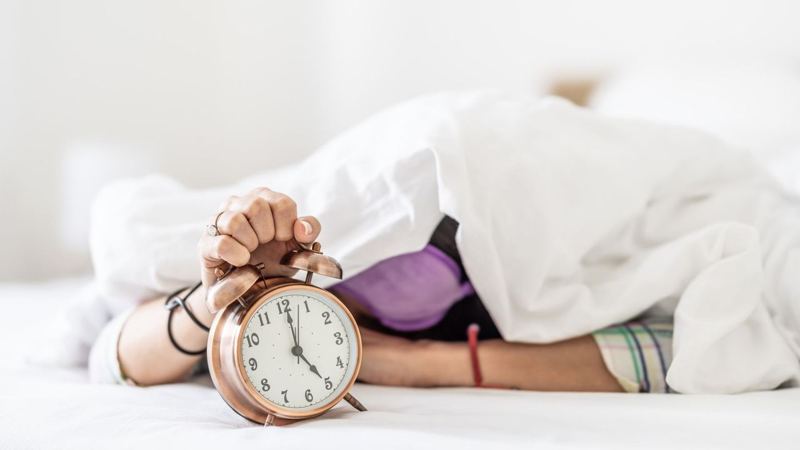
Sleep experts explain why many people struggle with morning grogginess in spring and offer strategies to break the snooze button habit. Sleep expert and certified health and wellness coach Erin Clifford identifies multiple factors contributing to seasonal morning fatigue. Early spring mornings are darker than bodies are accustomed to, disrupting the circadian rhythm and preventing the body from recognizing it is time to stop producing melatonin. Additionally, longer daylight hours later in the day may cause people to stay up or delay bedtime routines, even by just 20 to 30 minutes—a small shift that can make waking up harder.
Research published in 2025 by sleep scientist Rebecca Robbins at Harvard Medical School analyzed more than 3 million nights of sleep data from 21,000 people and found that more than 55% of sleep sessions ended with people snoozing their alarm. However, this habit can confuse the brain and body. Hitting snooze fragments sleep: “Your brain tries to make your body fall back to sleep during these 10 minutes, and by reentering a light sleep stage and then being woken up again minutes later, you are interrupting your body’s natural sleep rhythm,” explains Clifford. Each time sleep resumes after hitting snooze, the wake-up process restarts, making people feel even more tired than if they had simply stayed awake.
The 3-Step Morning Reset
Clifford recommends a three-step approach to break the snooze cycle. First, move your alarm clock out of arm’s reach on the other side of the room to force physical movement. Second, maintain a strict wake-up window even on weekends to train the brain to stop expecting extra sleep. Third, use sunrise cues through natural light or a sunrise alarm clock, as light signals the brain to stop producing melatonin and start producing cortisol, a “get up and go” hormone. A consistent sleep and wake time strengthens the circadian rhythm and helps prevent grogginess by allowing the body to naturally suppress melatonin and produce cortisol at the regular wake time.
This article is an AI-assisted summary. All facts and figures are drawn from the original report: https://www.tomsguide.com/wellness/sleep/ive-gone-from-early-bird-to-snooze-button-queen-this-spring-a-sleep-expert-explains-why-and-how-to-reclaim-my-energy