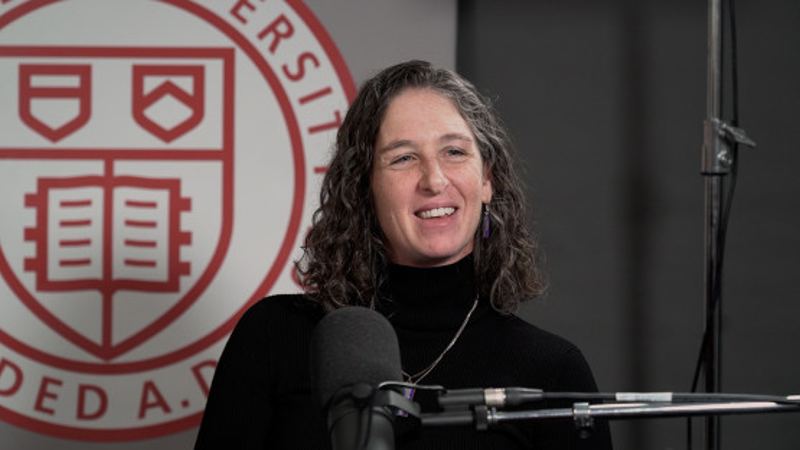
Cornell researchers explain how diagnostic labs, field veterinarians, researchers, and policymakers collaborate to prevent zoonotic diseases—illnesses that jump between animals and humans. Cornell’s Animal Health Diagnostic Center, also known as the New York State Veterinary Diagnostic Lab, is housed at the College of Veterinary Medicine and accepts samples from veterinarians across all animal species. The lab is funded partially by the New York State Department of Agriculture and maintains a network of diagnostic laboratories across the United States called the NAHLN (National Animal Health Laboratory Network), with approximately 60 labs total.
The lab monitors for diseases that could threaten the nation’s food supply, including foot and mouth disease and mad cow disease, neither of which currently exist in the United States. Avian influenza is identified as a major concern for species jumping. Wild aquatic birds serve as the reservoir for the virus without getting sick. Migratory bird patterns bring the virus to domestic bird populations, and wild birds can spread it through droppings or contact with domestic poultry. According to researchers, pasteurization kills the avian influenza virus in milk and dairy products, making them safe for consumption.
Heat stress presents a significant challenge for dairy cattle operations, particularly in warmer states like Florida, as Holstein cattle—the dominant breed—prefer cold climates and can suffer health issues during heat exposure. Large-scale cattle movement between states creates additional disease transmission risks, as pathogens can travel with animals from one facility to another across state lines. This commingling of animals from different regions increases vulnerability to disease spread.
Individuals can protect themselves through basic food safety practices: rinsing vegetables, proper handwashing, cooking foods to appropriate temperatures, and avoiding raw milk and raw pet food diets. During government shutdowns, critical monthly meetings between diagnostic labs and the USDA are disrupted, affecting the information systems that safeguard human and animal health.
This article is an AI-assisted summary. All facts and figures are drawn from the original report: https://news.cornell.edu/stories/2026/04/what-can-individuals-do-prevent-next-pandemic