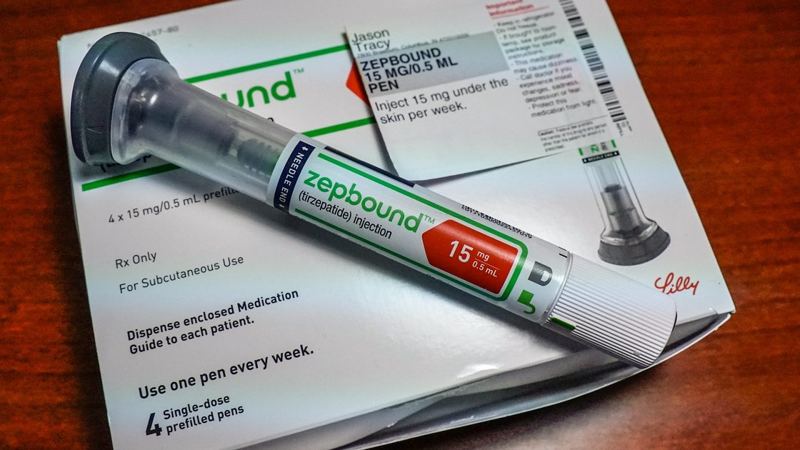
GLP-1 weight-loss drugs have become one of the most popular weight-loss medications in America, with nearly 1 in 5 people having taken them at some point, according to research from KFF Health News. However, doctors emphasize that medication alone is insufficient for sustained weight loss and long-term health benefits without lifestyle modifications including regular exercise, smart food choices, and adequate sleep.
Jelon Smart, 48, began taking Ozempic after an orthopedic doctor recommended weight loss to mitigate severe ankle pain from Achilles tendinitis. She initially lost 30 pounds without changing anything else, but then plateaued. After realizing she needed to increase physical activity, she began attending the gym six days a week and went from 285 pounds to 175 pounds, with her ankle swelling and pain resolving completely. Dafina Allen, an obesity medicine physician in Saginaw, Michigan, noted that some people eat less on GLP-1s but don’t improve their health because they aren’t exercising or improving food quality.
Mental Health and Safety Concerns
Doctors stress the importance of mental health support alongside GLP-1 treatment, noting that food and body image can be especially emotional. Gerald Onuoha, an internal medicine practitioner in Nashville, Tennessee, warned that people can experience serious complications if they increase dosage too quickly or don’t follow recommended schedules, including pancreatitis, gallstones, and acute kidney injury. Many people access GLP-1s through online pharmacies where providers may not adequately educate patients about dosage or side effects. Most insurance programs do not cover GLP-1s for weight loss, though the federal government is planning to allow temporary Medicare coverage starting in July.
This article is an AI-assisted summary. All facts and figures are drawn from the original report: https://www.phillyvoice.com/weight-loss-drug-tips-exercise-mental-health/