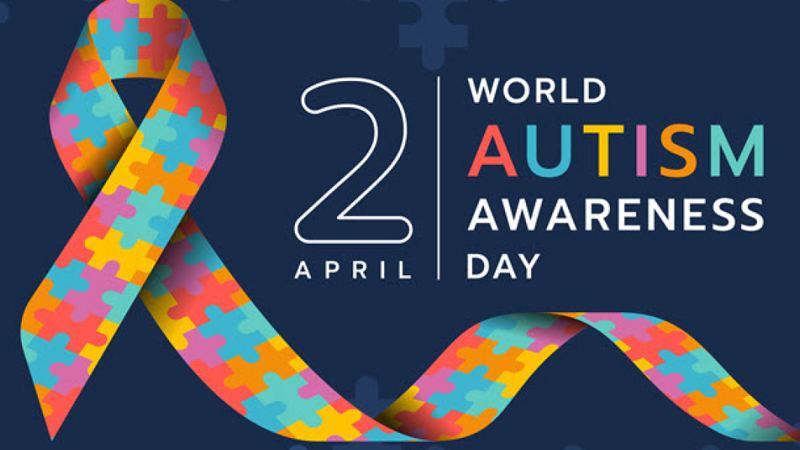
World Autism Awareness Day 2026 served as a global call to action to recognize the dignity and worth of autistic individuals, with the World Health Organization emphasizing the urgent need for neuroinclusive environments across all sectors of society. Current statistics indicate that 1 in 127 people worldwide is diagnosed with a neurodevelopmental condition, making autism a significant contributor to global health loss and ranking it among the top 10 brain health conditions.
Despite various international human rights conventions, stigma remains a persistent obstacle for many families. Access to quality, timely support services is still a luxury in many regions, driving social inequalities. Addressing these systemic challenges requires sustained government investment and a shift in cultural perception. Inclusive education and early identification are proven tools to improve long-term well-being and social integration, with a 40 percent improvement in social outcomes when inclusive education starts before age 5, according to Dr. Sarah Jenkins, a leading neurologist.
The WHO is providing guidance on inclusive policies fitting within mental health and brain health frameworks. On April 27, 2026, a new WHO webinar will launch a specialized training program for those supporting children with developmental delays, focusing on practical, community-based solutions to strengthen inclusive care within the family unit. Early screening programs in primary healthcare settings, teacher training modules on neurodiversity and sensory-friendly classrooms, workplace adjustments valuing neurodivergent talent, peer support groups for caregivers, and legal protections against discrimination in insurance and healthcare coverage are key components of the strategy.
By promoting neuroinclusive workplaces, governments can unlock the potential of a massive, often overlooked workforce. Inclusion is not a charitable act but a fundamental human right that benefits the entire global economy. Community-based services must be strengthened to uphold the rights of every autistic person as the global community commits to building a world where neurodiversity is celebrated and every voice is heard.
This article is an AI-assisted summary. All facts and figures are drawn from the original report: https://baltimorechronicle.com/health/world-autism-awareness-day-2-april-2026-whos-new-strategy-for-neuroinclusive-health-and-education/